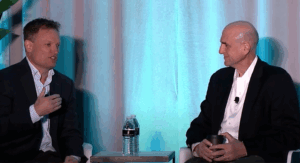
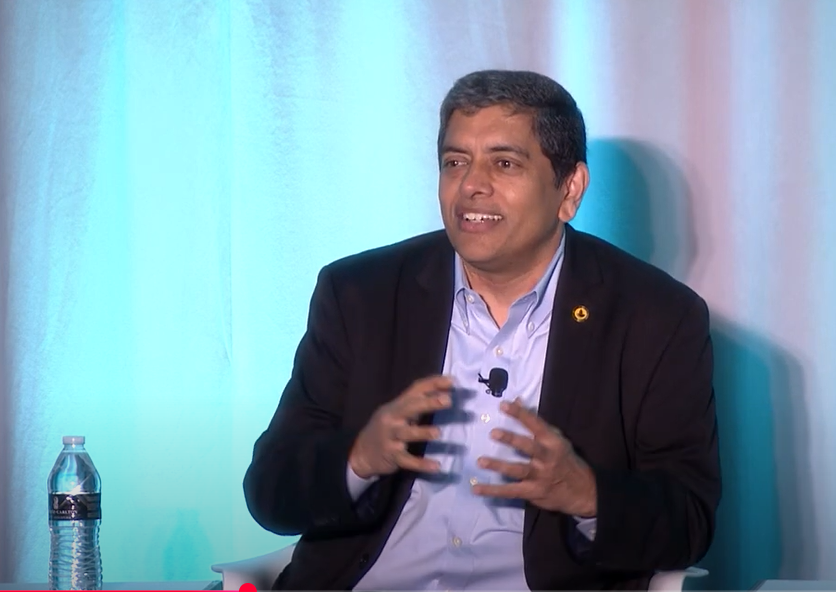
The 17th Annual Personalized Medicine Conference – Part II
- September 30, 2025
- 11:17 am
With confirmed speakers from every sector of the health care system and media participation from representatives of outlets including The Washington Post, Fortune magazine, and Endpoints News, the 17th Annual Personalized Medicine Conference provided business executives, researchers, and patients with an opportunity to demonstrate how far personalized medicine has come — and how far it still has to go — two decades after the first sequencing of a human genome in 2003.
Summary
Broad Horizons of Personalized Medicine: Business, Technology, and Patient Advocacy
Table of Contents
- Introduction
- The Origins of the Personalized Medicine Coalition (PMC)
- Pathology and AI: The Foundation of Precision Diagnosis
- Cell and Gene Therapy: A Living Drug Revolution
- Diagnostics and Imaging: Siemens’ Global Perspective
- Data and Regulatory Science: DNAnexus and FDA Collaboration
- Debates on AI and Genomics in Clinical Care
- Patient-Centered Leadership: Honoring Bonnie J. Addario
- Conclusion
- Key Takeaways
Introduction
At the 20th Anniversary Personalized Medicine Coalition (PMC) conference, leaders from biotechnology, diagnostics, data science, and patient advocacy gathered to reflect on the evolution of personalized medicine.
The discussions traced the field’s origins from the Human Genome Project and Millennium Pharmaceuticals through today’s transformative advances:
- AI in pathology,
- Cell and gene therapy breakthroughs,
- Global diagnostic platforms,
- Regulatory data collaborations,
- and the vital role of patient advocates.
The Origins of the Personalized Medicine Coalition (PMC)
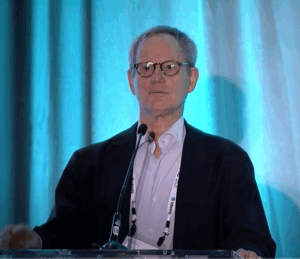
- Raju Kucherlapati, reflecting on the early 2000s, described how informal Washington, D.C. meetings inspired the creation of PMC.
- The aim was clear: unite academia, business, policy, and regulation around one mission—making personalized medicine a reality.
- Over 20 years, PMC has grown from academic roots into a platform integrating biotech, diagnostics, investment, and patient leadership.
Pathology and AI: The Foundation of Precision Diagnosis
Andy Beck (PathAI) emphasized that:
- Pathology remains the bedrock of cancer diagnosis, even in the genomic era.
- AI-enabled digital pathology can analyze every cell in complex images, reducing human error and increasing reproducibility.
- Future: Pathologists will be augmented by AI, shifting from manual cell-counting to higher-level clinical interpretation.
Cell and Gene Therapy: A Living Drug Revolution
Peter Marks highlighted the paradigm shift:
- CAR T-cell and gene therapies are moving from cancer into autoimmune diseases like multiple sclerosis and myasthenia gravis.
- Real-world cases show life-changing results, with patients regaining mobility and independence.
- Challenges remain:
- Identifying which patients benefit most,
- Addressing costs and reimbursement,
- Developing decision algorithms for broader clinical use.
Diagnostics and Imaging: Siemens’ Global Perspective
Rangan Rajan (Siemens Healthineers) described diagnostics as the “eyes of medicine.”
- COVID accelerated demand for decentralized, patient-centered testing.
- Siemens integrates:
- In vitro diagnostics,
- Advanced imaging (MRI, CT, ultrasound),
- and AI-enabled data fusion.
- Goal: provide end-to-end patient journey support—from early detection to monitoring treatment effects and toxicity.
Data and Regulatory Science: DNAnexus and FDA Collaboration
Omar Serang (DNAnexus) explained how regulatory science underpins precision medicine:
- PrecisionFDA, a cloud-based collaboration with FDA, allows secure benchmarking of genomic pipelines.
- Projects include:
- Truth Challenges testing NGS algorithms (e.g., DeepVariant vs Illumina).
- BCR-seq benchmarking for immunogenomics.
- Exploring personal reference genomes for improved somatic mutation detection.
- This work sets reference standards that labs and companies can use to validate diagnostics.
Debates on AI and Genomics in Clinical Care
- AI skepticism fading: Once dismissed, AI now provides reproducible, scalable insights.
- Spatial biology: Rediscovered value of tumor microenvironments and cell interactions.
- Whole genome sequencing at birth? Costs now <$400, but interpretation and ethical use remain barriers.
- Consensus: AI and genomics will not replace clinicians, but will enhance decision-making and patient communication.
Patient-Centered Leadership: Honoring Bonnie J. Addario
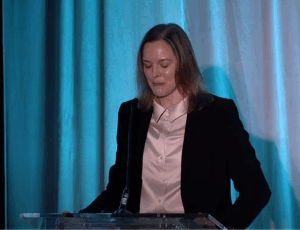
The conference honored Bonnie J. Addario, founder of the Go2 Foundation for Lung Cancer, with the 18th Annual Award for Leadership in Personalized Medicine.
Highlights of her impact:
- Early advocate for comprehensive genomic profiling in lung cancer.
- Launched LungMATCH, connecting patients to trials and therapies.
- Led pioneering studies in young lung cancer genomics and familial EGFR mutations.
- Transformed her own stage IIIB lung cancer diagnosis into a movement of advocacy, research, and hope.
Her philosophy: “What better thing can you do in your life than help someone like that?”
Conclusion
The broad horizons of personalized medicine now span:
- Diagnostics enhanced by AI,
- Transformative cell and gene therapies,
- Integrated imaging and in vitro testing,
- Data-driven regulatory science,
- and patient-led advocacy.
Two decades after PMC’s founding, the vision has shifted from promise to practice. Yet challenges in cost, access, and equity remain—demanding continued collaboration across science, business, and patients.
Key Takeaways
- Pathology + AI: Digital pathology enhances accuracy, scalability, and global access.
- Cell Therapy: CAR T and gene therapies are expanding from oncology to autoimmune disease.
- Diagnostics: Siemens integrates imaging, lab testing, and AI across the care continuum.
- Data Science: FDA partnerships (PrecisionFDA) standardize pipelines for trustworthy genomics.
- AI in Care: Augments, not replaces, physicians; critical for scaling precision medicine.
- Patient Advocacy: Leaders like Bonnie Addario prove that patient voices reshape science, policy, and care delivery.
Raw Transcript
[00:00] Thank you.
[00:20] Thank you.
[00:40] Thank you.
[01:00] Thank you.
[01:20] Thank you.
[01:40] Can everybody come on in and take your seats so we can get started and keep on time?
[02:00] Thank you.
[02:20] and a great honor to introduce my dear friend Raju Khusulapadi. And for those of you who don't know, this conference grew out of an idea that Raju had 20 years ago that we needed to raise the
[02:40] profile of personalized medicine, especially at Harvard Medical School, which is where we began. And we used to call it the Harvard conference. Then some years later, Raju said that PMC had grown up enough that we could do it on our own. And we decided to do that. And then when COVID hit, we
[03:00] We decided that Boston in November didn't work that well for us and so we came out to Dana Point. But we really couldn't have done this without Raju's support and his determination that the mission of PMC advanced the field. So it's with great pleasure.
[03:20] I call upon Raju to join me on the stage and introduce his panel, The Broad Horizons of Personalized Medicine, which is also going to look at some of the science and technology that underpins its promise. So Raju, please.
[03:40] And as well as Hispanic. Thank you.
[04:00] Thank you, Edward. I'm going to stand up because even when I'm standing up, people say, Roger, stand up. You know what they're referring to. So it's a great pleasure for me to be a part of this conference.
[04:20] I want to congratulate Ed and his board on the celebration of the 20th anniversary of the Personalized Medicine Coalition. Even though I never was formally a part of the Personalized Medicine Coalition, I always considered myself as a person.
[04:40] friend of the Personalized Medicine Coalition because I had lots of connections with the organization. So many of you don't know and and Ed was alluding to this a little bit last night. It turns out that I am celebrating the 30th anniversary
[05:00] anniversary of another organization called Millennium Pharmaceuticals. So Millennium Pharmaceuticals was a biotech company that started in Boston in 1993. And we recruited a person named Mark Levin who used to be a partner at Mayfield Fund.
[05:20] in the Bay Area to become the CEO of that company. And the company started with the notion of trying to identify validated targets that could be used for drug development. At that time, you know, many of the pharmaceutical companies were looking
[05:40] looking for validated targets. And the company started with the idea that you could be able to do that. And maybe not all of you know that in 1990, it started the human genome program and a number of us, myself and Eric Landre from MIT, were part of that effort. And so we became founders of this company.
[06:00] company called Millennium Pharmaceuticals, and the notion was to be able to use genetic approaches to try to identify drug targets. And if there is a genetic basis for ADCs, and you develop a drug for it, it is a validated target.
[06:20] Mark was really forward thinking about that, and a few years after we started the company, he decided that we need to have a presence in Washington, D.C., and we opened up a millennium office in Washington, D.C.
[06:40] and invited people to have brown bag lunches like I don't know every Wednesday or Thursday to come. Anybody who wanted to come to the meeting could come and just talk about whatever is of interest. And the reason I'm telling you all of this is
[07:00] out that it is from those discussions among all of those people that the idea of a personalized medicine coalition was initiated. And I remember very now, you know, when the office was opened we had
[07:20] Senator Kennedy come to open the office, it was really very exciting. And anyway, so the Personalized Medicine Coalition got started. And as Ed pointed out that until he came into the organization, there wasn't a sort of
[07:40] leader per se and Ed took over the leadership of Personalized Medicine Coalition. So one of the first things that we did, you know, I said this was in 2003 and I was at, you know, and Harvard and I was a part of the human genome effort and I was trying to sort of think about, you know, personalization.
[08:00] personalized medicine and we had established relationships with a couple of organizations and one of them is the personalized medicine coalition and we decided that if we want to be able to promote personalized medicine that we need to be able to bring together all of the different stakeholders.
[08:20] together and to be able to get to talk to each other. And we were joined by a third group, a person named Marsha Kane, who was a president of Feinstein's health care. And one of those people that was
[08:40] that worked with her, Jen, is back here. They have also been involved with this meeting. So we had our first meeting in 2004. And after the first meeting that we sort of go back and look at what.
[09:00] what the meeting was and so on and so forth. Then everybody said the meeting was great, but it was really held at heart. But it was more an academic meeting. A lot of people like me, doctors and professors, but not other kinds of groups. And we all thought that if we want to be able to make a really personal...
[09:20] medicine, the reality that you got to really bring together people who are thinking about policy, people who are thinking about investing, you know, people who are thinking about regulation, people who are investors, and all of these different kinds of people. So first thing we said, one of the things to do is that it...
[09:40] You got to have money involved in this ensemble. And that means the business has to be involved. And so we thought that one of the things that we got to do is to get the business involved in the entire process. So the first thing we did to be able to promote that is at that time
[10:00] that the conference was sponsored with Harvard Medical School and the Harvard Affinity Hospitals, and we went in and recruited Harvard Business School to be a part of this effort. And so that gave a legitimacy to this organization and the media and said that we support business.
[10:20] And the reason why I'm telling you all of those things is really a prelude to this group of people here. So in the last 20 years, truly, as you have heard from, you know, the people this morning, that the industry has really embraced personalized medicine.
[10:40] many different ways. So many different drugs, no many different types of diagnostics have been developed and personalized medicine is now true reality. So what we wanted to do today is to be able to bring you a little
[11:00] snapshot of how businesses are embracing personalized medicine and to be able to bring together this fantastic group of people here, each of them to tell us a little bit about their industry and about their companies and how it fits into
[11:20] the overall framework of personalized medicine and how these companies are really transforming the way that personalized medicine is being conducted. And as you will see, you know, we have chosen, you know, people from different parts of the of the healthcare spectrum.
[11:40] and you'll hear from all of them. And since I already talked so much, I'll try to shut up. And then after they each of them talk, introduce themselves and talk, then we'll open up and hopefully we'll have a great discussion about
[12:00] where we came from, where we are today, and where we're going and how business can help advance personalized medicine. With that, we will start. We'll start with Andy from PathAI.
[12:20] And pathology is making tremendous changes today, and Andy would start with his company. Sure, so maybe I'll give a quick intro into just kind of the role of pathology in personalized medicine, which I think is still surprising to people who maybe don't like it.
[12:40] come from the world of pathology. So I come from the world of pathology. My mother is a pathologist. I trained as a pathologist and practiced for about five years. So I've been in labs my whole professional career. And I think the surprising thing is that even in this era of personalized medicine, where we've known about the genetic underpinnings of disease.
[13:00] for many years and the Human Genome Project is now decades, has been completed decades ago, that if you undergo a biopsy, the key diagnostic information, it's not going to be genetic information. And the definition of cancer and what causes all the morbidity and the mortality is viewing on the skin.
[13:20] On an image, malignant cells invading into normal cells, and there's simply no molecular test for that. It is not a molecular test. It is seeing the crime in action, the malignant cells invading normal cells. And then metastasis, which is just these physical cells invading into other parts of the body and causing morbidity.
[13:40] and ultimately potential mortality is also the key driver of adverse outcomes. And that the way that we continue to diagnose this is simply people looking at very complex images under a microscope in more than 90% of the time where we simply don't have the cognitive capacity to examine every cell.
[14:00] in every image is literally impossible and that that's sort of the bedrock in the cornerstone of the beginning of personalized medicine. It's kind of like the top of the funnel. You have to get that part right for all the downstream testing to make sense. So broadly in this field of digital pathology and AI we really hope to solve that so that every single patient who undergoes a biopsy or a
[14:20] resection will have the advantage of having a pathologist not operating in isolation, but augmented by this incredible technology that over the past decade has gotten really, really good at interpreting images with far more bandwidth than any single person to actually analyze every single cell in an image and provide accurate reproducible
[14:40] possible and cost efficient outputs. So that's what we've been aiming to do with path AI. I think it's a really exciting field in terms of all the kind of pessimism about expensive new technologies that aren't widely distributed. This is a technology that I think the past decade the advances in AI are probably sort of at the top of the list of major advances.
[15:00] is, and that it's solving problems that are already valued today in terms of getting the diagnosis right. So I think we're at a really exciting point where I think we will see this become a bigger part of personalized medicine over the next five years in a way that it really wasn't. I'd say five years ago, personalized medicine was synonymous with genetics, and I think the next five years we're really going to see.
[15:20] redistribution of this new approach to really form the bedrock to then ensure the right patients are getting downstream like they're testing will benefit the most. That's really fantastic. Pathology has changed tremendously. Instead of doing initially anatomic pathology and so on, pathology departments have really taken responsibility.
[15:40] responsibility for genetic testing, all kinds of testing, and they have played a very important role in precision medicine. And now with, you know, using artificial intelligence to be able to use, you know, is becoming a very important component, actually, you'd be able to bring that, you know, to the large populations around the world.
[16:00] the kinds of information that would not otherwise be available. And we'll talk more about the impact of that. And then, and the next person that we're going to have is Peter. And Peter, we always sort of thought that immune therapy is using the body.
[16:20] to be able to, you know, utilize our own defense systems to be able to cure diseases become very important and you are playing a very important role in that. Well, this morning we heard about from Scott Gottlieb that CAR T cell therapy and gene therapy is starting to hit the main stage and I think it's incredibly, incredibly important.
[16:40] important to understand that we're in a complete paradigm shift now. We have now a living truck. I got a little bit depressed in the previous session when talking about reimbursements. But why do I get up out of bed every morning? Because of...
[17:00] you one slide if you allow me to share that slide real quick. So can I get VA to put? You know this is Fabian. Fabian is an autoimmune disease patient with myasthenia gravis. She's in a wheelchair. And Fabian, you see that very typical myasthenia gravis, teclin-brocade. Already she's out of the way.
[17:20] wheelchair, but she is still having that very typical walk. And I got this video 50 days after treatment where Fabian was suddenly back on a bike. And when you see her day 55, she's walking down the corridor.
[17:40] And Fabian just shared with me last weekend she was with her three children for the first time in seven years out on a Two-day vacation spend a night in a hotel room Something that she really wanted to do so that's the reason why I'm I'm coming getting out of bed That's probably why you are getting out of bed, and that's why I'm so incredibly
[18:00] excited to be here sitting on that stage. For the last 10 years I've dedicated my life to transplantation patients and we've been treating about a thousand patients a day. I think this cell therapy, gene therapy, will be the new era of medicine where we have thousands of patients using the power of their own.
[18:20] cells and addressing their diseases. And I find that incredibly exciting. And with all the pricing and reimbursement challenges of the world, that's probably why I'm getting out of bed every day. Thank you so much. As all of you know, the next speaker is from Siemens.
[18:40] is a worldwide company that had had and continues to have a huge amount of impact on all kinds of diagnostics and you know playing a very important role in precision medicine and and Ranganajan is going to talk a little bit about about his company.
[19:00] Thank you, Ed, and the PMC team here for this opportunity. I mean, CEMEN is a global med tech leader. It's interesting to start with Adam on the pathology with all the imaging. And imaging is an area where CEMEN is of course known as a global leader. We also have a huge in vitro diet.
[19:20] diagnostics, both lab and point of care business, effectively serving the broader community. But for me, going back almost three decades of working in diagnostics has been sort of driven by two, perhaps, foundations which resonate well with the personalized medicine theme. And the first is
[19:40] At the end of the day, the patient is the most important person we're trying to provide some response to. And so keeping the patient-centric view is always critical. And the second that I've believed for a long time, not initially coming from diagnostic, but having seen that is...
[20:00] diagnostics, medicine is blind. I mean this is sort of a, you know, you don't want to take a part-shot approach at treating patients. You want to have a, to have the precision to have, to be able to get to the personalized medicine kind of approach. You need to know what you're treating, you need to have the precision, understand, you know, either through imaging or other methods. But let's also sort of look at it in a fast-forward
[20:20] manner where we are today, almost four years into COVID, post-COVID pandemic and coming out of it. One of the things that has changed is the whole landscape of how any of us approach healthcare. We resist now.
[20:40] desire to go to a hospital or a doctor's office as much as possible. We want to do things more and more close to home, at home preferably, but if not as close to home as possible. So I had a center for innovation in diagnostics within Siemens Health and Years. And this is something that came, started about three years ago.
[21:00] joint Siemens, really with the idea of looking beyond where we are today. So we, again, as a global leader, we have a footprint across almost all the countries and across all disease states and across every sort of touchpoint, if you will, from outpatient setting to emergency room through hospital and so on. But fundamental
[21:20] The question we were trying to ask is, why is healthcare still a challenge? One of the things is, and without bringing Terenose and other stigma in mind, at the end of the day, it is we want to get to that sort of non-invasive, minimally invasive kind of approach. So the approach we have taken in my group, which is a small group, but then it's human that.
[21:40] health demeanor is to look at emerging technology and emerging opportunities where we can do more of these early detection, you know, screening diagnosis and follow-up. And a piece where often we don't talk about is post treatment monitoring and also things like, you know, effect of toxicity and other
[22:00] things that happen after treatment. And so trying to bring sort of the entire patient journey, if you will, in mind, looking at different aspects of where we can bring our different modalities, whether it's, you know, early blood-based analysis, liquid biopsies and other things for early detection and screening, through complex imaging.
[22:20] imaging. We touch on every aspect from X-ray to ultrasound to MRICT all the way through the hospital. And then how do we keep track of all of these patients? And besides COVID, the other big thing that in the last decade, but definitely in the last two to three years, has been much more in vogue is use of AI. And for us.
[22:40] What that means is not just, you know, tools, but really integrating all this data. I mean, so we're generating way more data than any of us can individually comprehend or relate to. We also heard this morning a couple of examples of where disease is not, you know, linear. They don't just follow, you know, here's one marker, here's one thing and you do it and you're solved. We need to look at things in a multimodal.
[23:00] motor fashion, multi-aniline fashion. So having this sort of asset and ability to look at blood-based markers, combine that with imaging and pathology, and take that into some kind of a, you know, decision aid tool or decision support tool that brings all this information in a meaningful manner, both to the treating physician or the laboratory.
[23:20] But also ultimately something that a patient can understand, what is happening to him or her during the journey and keeping them engaged through all of these through a variety of different options. So there's a lot that is sort of happening. It's an exciting time. Actually, despite the market trends that we heard about, you know, the current repression, and I do appreciate the option.
[23:40] optimism of the previous speaker saying that look for that emerging new opportunity, which I think is going to be true. There is definitely a market exploded. We need to come back, but then find the real winners out of some of these, which will be really exciting. So looking forward to this discussion and seeing how things shape up. Thank you.
[24:00] As all of you know, all of medicine is sort of becoming information intensive. And first, it was a problem of really collecting all the information, storing the information, retrieving the information, making sense of that information. And our next speaker, Omar, is going to talk about
[24:20] his company and the role that it is playing in information technology and how it is really transforming healthcare. Thank you, Raju. Yes, I've had the privilege. I work for DNA Nexus. I've been there about 10 years. Prior to starting there, I had no idea that there was a field called regulatory science, but it turns out that regulatory science is the gatekeeper.
[24:40] for personalized medicine because it's the foundation for regulating the precision medicine that underlies personalized medicine. DNANexus is backed by Google Ventures, Microsoft, Blackstone, so we're a little bit beyond just the start-up point. And I have had the privilege, I really don't work for DNANexus, I work for the FDA.
[25:00] FDA, that's how it feels. Back in 2015, we launched Precision FDA as a research project, essentially to stimulate scientific challenges around NGS. You know, how can we do the best variant alignment and variant calling? How can that be? How can we crowdsource that?
[25:20] grew in 2019 into a full production authorized FDA platform and I want to talk a little bit about some of the technical aspects and the scientific aspects that really make this successful. And to me it's really about collaboration and that sounds you know a little fuzzy but collaborative development of regular
[25:40] laboratory science, particularly in the field of genomics, where you're dealing with datasets where a single file could be 200 gigabytes, just as an aside, the UK Biobag corpus now that's on DNA nexus is running around 20 petabytes. So you can't really collaborate around those using typical methods of sharing the data,
[26:00] having people go off and analyze it. Precision FDA was founded out of the Precision Medicine Initiative under the Obama administration. We've been around for, I think, four commissioners, three administrations now, and it has taken on a life of its own. I kind of feel like it owns me now. But
[26:20] It's a good thing. So what collaborative regulatory science looks like is engaging people around datasets with the analytic tools and the controlled environment. This is the real key to it, is having authorization. You can't do anything in the federal environment, in the FDA environment, with
[26:40] without having a FedRAMP or a FISMA authorization. These things sound mundane, but they're not. They cost millions of dollars, but they enable the ingestion of real-world data, they enable the FDA to handle actual patient data, and they enable researchers to come together around the data to yield insights. And I wanted to.
[27:00] talk about just two specific examples that I've had the privilege of being very deeply involved in. The first one was the truth challenge. This was for NGS calling. We did two of them. The second one was the most fascinating because this was when deep variant was emerging. And every participant from all of the sequencing companies
[27:20] There was Oxford, Illumina, PacBio, of course. So we had long and short read sequencing. We had all the traditional analytic players. Of course, there was Dragan. There's the Illumina Dragan and the Sention and, of course, Deep Variant. And the outcome of that was to show
[27:40] how accurate these different algorithms were. Deep Variant did very well, although it was very expensive to run, and it also illustrated one of the aspects of AI. There was, it showed some learning, training bias. So it was interesting to see that. The second project I've been involved in is with a researcher named Wenming.
[28:00] Zhao out of the Office of Oncology Center of Excellence. And I couldn't be more excited about what he's doing. So he has got about 40 people working on the BCR-seq, B-cell receptor sequencing quality project. There are six long and short reed sequencing technologies.
[28:20] technologies, 13 library prep technologies, about 400, 500 DNA, RNA, and single cell RNA seek assays, and four major bioinformatics pipelines all involved in this. And to bring all that together in one place where people can actually
[28:40] work on all this and demonstrate their informatics. Because a lot of this is about informatics. As Raju said, information is taking on a whole new meaning. But informatics is the processing of that information to yield something that you can make a judgment call about safety and efficacy in a patient. And so what Wenming's team is doing is
[29:00] done is they take B cell cell lines and they spike it into PBMC to create these various dilution mixes and then they put it through the entire pipeline of all these things I was mentioning to find out which things really have the best sensitivity and the best specificity, the best accuracy overall.
[29:20] Now, the end result of this is reference materials that labs can use, diagnostics. They can use those reference materials and they can come back to the FDA and say, I've used this reference material as a companion diagnostic, as a demonstration of therapeutic action, but I've used the gold standard pipeline for doing
[29:40] the NGS processing and I can come to the FDA with confidence that my pipeline is returning information in a manner that's amenable to the FDA. The last one I want to mention is a paper that Wen Ming authored in Genome Biology in November 2022 and it was the first instance of using a personal reference genome.
[30:00] So rather than doing a tumor normal pair, they used a person of de novo haplotype aligned personal reference genome to determine and just taken a tumor sample and Basically any variation you get off of the personal reference genome is going to be a somatic. You don't have the bias introduced by
[30:20] the GCRH38, the generic reference genome, and you get better readout on somatic SNVs and somatic structural variation. So I think that's kind of a vision of the future of personalized medicine is the personal reference genome.
[30:40] I want to leave it with that.
[31:00] Both of you are involved in, obviously, image analysis in ways. I remember 15 years ago when you talked to some pathologists and they said that no way that you're going to be able to replace pathologists and looking at images and
[31:20] computer making the decisions would be impossible to do. And as you know, Ranganaju, that this was Seaman's whole business of being able to do image analysis. So first of all, what were the impediments in trying to get the medical community accept this as an appropriate mode?
[31:40] being able to take care of patients and what are the kinds of impediments that you had to overcome? Sure. Well, I mean, the first impediment up until very recently, and I would say even there's still very few solutions today, which I think people are surprised to hear, is that technology just didn't work.
[32:00] I've been working in this area since 2004. I mean, pathologists are incredibly efficient and can interpret images in a very general manner, extremely well. It's a very, very hard computer vision task. So before 2012, Jeffrey Hinton and everyone, the biggest advance in 2012 was deep convolutional neural nets.
[32:20] for computer vision. They showed year over year improvement in the ability to identify objects and images. Up to the point when we started Path.AI in 2016, they were performing at human level. Of course, the advantage of a computer is it's totally reproducible, which a human obviously isn't. We're generative models that are generating new results.
[32:40] depending on even if we get the same prompt on separate days often the computer systems are deterministic and totally reproducible and they're extremely scalable. So this idea of bringing diagnostics around the world, you know very near zero marginal cost for extremely widespread distribution, huge advantages. So once it started showing it was as accurate with much better marginal costs and
[33:00] way more reproducible. That was really exciting, part of the reason we formed the company. But before 2012, there would be teams of 30 PhD students who everyone would be working together and at the end of the day it would perform worse than a 3 year old with no training and no dollars. And that was just true. So it was a really sad field literally up until these huge
[33:20] advances driven by algorithms, data, and utilization of GPUs, which is one of the big things Jeffrey Hinton did and his team. So that was now 10 years ago. So the technology literally didn't work 10 years ago. The earliest research applications were coming out and we were part of some of that. We did some of the first applications of that state of the art at that point.
[33:40] conventional neural net is about 2016, not very long ago. And only now are people really coming together with platforms to bring it all together. To Mike's point, it's not just solving the technical problem, it's how do you actually implement this into care? And that's really hard. Integrating a clinical workflow involves less sexy areas.
[34:00] like LIS integration, EMR integration, how does the lab tech work with it, how does a pathologist work with it, how do you deal with small biopsies, how do you deal with big resections, how do you deal with recuts, how do you deal with stains, how do you deal with quality control, how do you deal with artifact. So there's like dozens of underlying tasks that again the products weren't solving up until very, very recently. So I think largely it's a technique.
[34:20] technology product issue and I think now that we're seeing the products really can provide higher quality at lower cost And there are other just efficient reasons to want to go from glass to digital That are sort of obvious not wanting to send glass everywhere, but wanting to distribute images widely at very very low cost We're seeing the transformation. So I think it's
[34:40] largely the product solution, which actually is pretty optimistic because those technology problems have been solved. There's also reimbursement. There's no added reimbursement. So it really needs to prove its value on its face, which I actually think it will and it is. And I think the cultural stuff is a distant, distant, not even on the list. Because I think pathologists, if something actually works.
[35:00] they will want to use it. If it makes their life better, if it makes them make it. The reason they go into the field is to provide the best diagnosis for patients, and they want to go home at a reasonable hour and sleep well at night knowing they didn't make mistakes. And if the technology helps them do that, they will absolutely adopt it. And this idea that 15 years ago, no one said the AI will replace them. It's absolutely not replacing anyone today. And I'm not just saying that to be nice.
[35:20] just true. There's too few pathologists, too many diagnoses, and you're basically comparing the hypothesis as pathologists augmented by AI or outperform pathologists alone, but we're a very long way away from it being the most safe and effective tool for the most critical piece of information for a patient to sort of take the human expert out of the loop, particularly even if their job is just
[35:40] more judgment and strategy to advise the treating clinician. So they may not be counting individual lymphocytes and counting individual brown cells like they are today. In the future that work will be given to an AI and they will be thinking about more abstract, higher level tasks so they can be the best kind of physician's physician. So it's more changing the focus of their work, but actually it's going to become a more
[36:00] enjoyable and impactful specialty because you will be taking out that low level tedious work that humans just aren't as good as machines at. Thank you. Yeah, I know. I mean, I call on that. I think that's wonderful. But really, you know, from an AI perspective, and this question comes up all the time, AI and precision medicine and all of these questions. To me.
[36:20] fundamentally is not replacing a physician or a pathologist or any of them, it's making those who embrace that better because they are not doing what can be done. But there's still the role for all of these specialties in interpreting the data and providing that and a big piece of medicine that often gets.
[36:40] node is the patient communication, which is what the ultimate role of a physician caring for a patient should be. And taking the T-TIM out, and now you can actually have the interpretation transferred to it. Like you, at Siemens, we've invested with huge technology centers and so on, to be able to
[37:00] provide this kind of analysis. We have sort of pushed the envelope in terms of what can be done with image analysis. For all kinds of images, leading to even now, we can be advanced to the point where we can be smart about where we go do the imaging. So is even guiding the AI-guided imaging.
[37:20] of specific regions so that you can extract more value out of it and so on. So there's a lot of effort that is still going on. Prior to Siemens, I was actually a number of years at a global NGO and the kind of conversations that we are hearing now with the pathology, I mean this was a big market opportunity.
[37:40] where there is no trained workforce. So we talk about pathologists who are trained and years of expertise here, but there's a global market where there aren't enough trained pathologists. And even in this country, there's a huge shortage, right? So there's a significant value we can take, the few pathologists that we have, let's make the best of them by giving them the tools that can really add significant value.
[38:00] We'd love to hear from pathologists, radiologists, other doctors about the impact of these to come and we have questions. Yeah, thank you. Sorry I have a question for Andy. But if the others want to address it, that would be great.
[38:20] So it's wonderful to have a pathologist on stage at one of these conferences. I know you're there in your role as CEO, but really. So I've talked to pathologists over the years and they're not the most, they don't give a lot of hype for genomics. Let's just say that. They're not all David Rim at Yale.
[38:40] But I'm curious, what do you think of the new science of spatial biology? Okay, which is the three dimension, looking at what's going on three dimensionally in a tumor or a slide. And because I talk to people in spatial biology and they end up
[39:00] they're in the pathology department. For years I talked to people that are in the genomics department. Now the people I talked to on the podcast are in the pathology department. So how do you think spatial biology is impacting this? And also new, you mentioned AI, but new camera abilities.
[39:20] new technology to take pictures and to go in closer. Yeah, so I mean it's kind of funny with spatial biology, first it's how do we define spatial biology? So if you think of it very, very broadly, like caring about the spatial arrangements of things, and maybe I'll start with that as kind of the trivial definition. It's like the redisputed
[39:40] discovery of pathology. We thought it was going away, it comes back. I mean, pathologists have been doing spatial biology since, you know, the mid-19th century. If that's the definition, it's actually caring about spatial locations, which, you know, you could say it is compared to the grind and throw in the NGS sequencer, where really you are eliminating all of this critical spatial information.
[40:00] And as we diagnose cancer earlier and earlier, the spatial information is absolutely critical. And it's been a critical part of the field of pathology from the beginning. A proliferating cell at the base of a crypt is not the same thing as a proliferating cell that's, you know, in the stroma and the pancreas. One's going to kill you and one's totally normal, for example. And it's all about the spatial location of that proliferating cell.
[40:20] So to some degree it's a rediscovery of what's already known to be important. It's already the bedrock of the field, sort of knowing the spatial relationships. And I think it's great that there's been sort of a rediscovery in some sense of the importance of just kind of generic knowing how cells and tissues are relating to each other. And as we diagnose more and more pre-invasive things, it's all about spatial.
[40:40] relationships that will determine which ones will go on to be invasive. And then kind of the newer technology is and what kind of what my thoughts or you know the thoughts on the the ways of profiling with single-cell or with spatial transcriptomics and maybe spatial proteomics has just been in development for a while.
[41:00] as novel imaging modalities. I'm more on the kind of skeptical pathologist camp, show me the data, and I think that's where the genomic stuff was coming from. In many cases, I mean, some of it's obvious. If you have a drug that targets a point mutation, there's value measuring that point mutation. But I think in certain other examples, it was less obvious.
[41:20] I think more on the RNA signature side. So I think it's awesome for discovery, but in terms of clinical impact, I think we're a long way away from that. And particularly when we have such low-hanging fruit with the richness of the data that can be observed through multiplex IHC, which is a
[41:40] could be ubiquitous technology, plus regular slides with regular scanners. And we do think AI, which exists today, is the big unlock on top of those images because you can distribute it through the cloud, you can distribute the scanners to all these underserved locations as well as widely in the US, and it's building off of the shoulder.
[42:00] of ubiquitous cheap technology, which is histology and IHC. So I think that's where the biggest impact will be over the next few years. And I think there's gonna be a lot of studies where you're gonna have to baseline with that and show, are you really getting better patient stratification with spatial transcriptomics? I think in many cases, the answer's gonna be.
[42:20] will be no because you can only divide patients into so many groups where you have effective treatments and the groups aren't probably like a thousand it's probably like five or four you know when you're making actual therapeutic decisions so do you really need that single cell level resolution spatial data on the diagnostic side you may need it on the discovery side I think a lot of the work will be using this in discovery and then reducing it to
[42:40] biomarker that can be measured in a much more clinically applicable, ubiquitous technology like IHC. I think particularly multiplex IHC. Once you get sort of three markers on every cell plus the morphology of the cell telling you what the cell type is, you have a lot of combinatorial data from that image. So that's where I think it's going on the diagnostic side.
[43:00] I think it certainly might be transformative on the discovery. Yeah, that's great. So Peter, Commissioner Gottlieb today talked about cell therapy and you showed a fantastic example of things. And so where do you think that all of the cell therapy is going?
[43:20] What are the kinds of obstacles that you have to overcome to be able to make it an important modality of therapy not just for cancer but for varieties of other types of disorders?
[43:40] with a chief cloud officer and now with PathAI. So my daughter works in AI and I have something to write about in coming home. But I think for me very important, and Ed and the team here at PMC have been hearing me for the last 10 years saying, you know, personalized medicine is so much bigger than oncology. And now moving this
[44:00] therapy within blood cancers into autoimmune disease is suddenly opening up this into millions of patients. And so millions of patients will be experiencing cell and gene therapy. So what monoclonal antibodies, and for many of you will remember, 30 years ago, monoclonal antibodies was, oh, this is, physicians will never adopt it, it's in future.
[44:20] it's going to be too expensive and who's going to use monoclonal antibodies. And if you turn on the TV today, you know what the biggest advertisements are? Very annoying, monoclonal antibodies. And so for the next 30 years, we have cell therapy being a mainstream of our diseases where living drugs are actually
[44:40] used to address these issues. Now there, of course. These are very early. There's a long way to go. We're at the early sign of signs. The patient that I showed you, she was refractory to all other medications. She had no hope. Yes, Stinia Gravis, when you see the projection, is really, really sad. We dosed our first patient.
[45:00] on multiple sclerosis. These patients that have the indication of diagnosis of multiple sclerosis, if your drugs are not working, what are you going to do? And I think we'll see cell therapy moving earlier and earlier into patients where resetting the your own immune system is going to make a significant delta. And it'll take
[45:20] companies like Herna and others to find out which is the right patient population for the right approach and the right therapy and that's where I think personalized medicine will be at its best because you cannot give everyone that that is having an autoimmune disease a cartease cell treatment with all the risk benefits
[45:40] that you see. So it's a question about finding the right treatment for the right patient. And I'm very excited about these transactional difficulties where a clinician is today the gatekeeper of making that decision, right therapy for the right patient, will be revolutionized by all these different transactions.
[46:00] by real machine learning algorithms that will benefit and live drugs. Now I can see that in the next 30 years being incredibly exciting, but also incredibly expensive. And I think we need to identify what patient population will benefit from what type of treatment and that is not only
[46:20] technological and science question, that's also a health economic and societal question. And so I think CAR T cell therapy will get a little hint of this and just digressing with the GLP ones. We will now the next five years will need to learn which patients will benefit from what kind of therapy you need to have algorithms that allow us to identify the right patients.
[46:40] patients because otherwise in the current healthcare system we're going to find its limitations. And in CAR T cell therapy it will be the same thing that we need to identify the right patient for the right treatment. Thank you. So Omar, you have articulated a vision that I shared for a very long time.
[47:00] time and that is to really try to identify all of the genetic variants of an individual and that would be able to help make a very important medical decision throughout their life. And one of the things that people talked about is that impediment is a cost and as you pointed out,
[47:20] cost issue is changed very dramatically. And in Boston, a diagnostic lab that's run by Broad Institute is offering clinical whole genome sequencing now for $350, which is really remarkable, right?
[47:40] Well, where is the future? Where are we going? Are we going to be able to see a day when every newborn is going to have a genome sequence so that we'd be able to identify all of the variants and try to help manage their health throughout their lives? I think
[48:00] that the concept of the personal reference genome would start in infancy. Absolutely. Again, it's going to be a cost thing. That's why we're not sequencing all the infants that are born now. I suspect that the cost, like you said, the broads do in $350 whole genome clinical sequencing. That's getting down to the point where certainly you could do
[48:20] do that. The challenge really is not just doing the sequencing though, it's the interpretation. Just having all that information could be misleading. But I think to try and establish a baseline where you can have a reference to yourself that you can use over the course of your lifetime, I think that's a very
[48:40] very realistic objective. And I think the work that people like Wen Ming are doing at OCE will really help with that because it defines the methodology by which you would actually interpret all this data, what sequencing you should be really doing, what informatics you should really be doing. So I think these things
[49:00] is particularly in the interpretation side and this is where AI is going to come in again in terms of genomics and we're going to see a much better understanding of the data we already have. But that will help to drive down the cost to where the cost benefit for having a patient.
[49:20] personal reference genome will become overwhelming. I'm sure the audience, I'm sure there are members here who have very strong opinions about the use of AI in medicine. Would love to hear from you. Anybody want to make a comment about?
[49:40] But some people think this is completely evil. Is this true? Or the kinds of things that Omar is talking about, you know, this is a complete waste of time and energy and money for doing whole genome sequencing and trying to get, you know, information.
[50:00] Foundation. Comments about this? Maybe I should call on people. Rushwin, let me try to make a comment because I think amplifying what Andy was saying earlier on AI, I like that notion of AI will not replace decisions, but it will replace decisions that are not using AI.
[50:20] And I think this is a novel technology and we don't even know where this will go, but it is really revolutionizing our transaction costs that we have in medicine. And if you see what we currently are doing to find that treatment for the right patient, that's really very pedestrian. I mean, there's a lot of trans,
[50:40] and turn and inefficiency. So I think the future is bright. The question is how can you do it responsibly? And that has to do with what you were mentioning is how can we make sure that access to that information ultimately is at the fingertips of the patient? And I think sometimes we are
[51:00] working among ourselves in the industry versus, you know, put the information back to the power of the patient because all these other industries have been innovating at the point of patient and creating tremendous value at the point of consumer and then creating a lot of value at that last mile. And I think healthcare really needs to make that step to innovate.
[51:20] activate on that last mile to the patient, if I could be paying for all my health information ever collected on myself, what's the value to that? And I'm sure there will be business models ultimately that will revolutionize that. Yeah. Don, rule, translational software. I have a question on the sequencing. One of the problems that we've had
[51:40] with the FDA is being able to create a separation of concerns between the test and the diagnostic. You can imagine there's an unlimited number of diagnostics that could be done with a sequence, but have you seen any openness? Their current plans are
[52:00] around each lab becomes an IVD. So each individual interpretation of the test is a separate diagnostic that when you change the sampling equipment you need to revalidate the whole thing. Have you seen an understanding
[52:20] on their point of the differentiation between the test and the diagnostic. I think this goes to what somebody was talking about. You're not going to rip apart the Apple Watch and take out the transistors and figure out what's in there to do the validation. I have not seen any motion that way.
[52:40] I think the work that Webbing is doing is a step in that way because it will produce a set of references that can be used to demonstrate how your informatics is showing a result. How long it will take to get into diagnostic validation, that remains to be seen. One of the big challenges with the DARN G-
[53:00] is there's just so much information in it that's not relevant to a specific diagnostic assay or whatever. That's why we have a lot of panels. So I can't say as I've really seen any motion and any guidances that are looking at a more, I guess, holistic approach to looking at the sequencing for multiple tests.
[53:20] You see it in therapeutics, multiple indications, multiple waving, but I haven't personally yet seen that approach from the FDA on the diagnostic side. What we have heard today is that just a small part of the artificial intelligence, you know,
[53:40] And there are lots of other things that are part of artificial intelligence. And I wanted to also ask people to, so from an investment point of view, is this very attractive? And some people say that this is really the future. And do you see that?
[54:00] side. I think it's so important. My advice for people in general talking about AI is, which is not my idea, someone else said this, just kind of replace the word AI with math and then like make them continue the discussion because it kind of forces you to be very specific because it'd be kind of meaningless to be like, should you invest in math? Yes or no? It's similar to AI. It's a very, very broad technology that covers
[54:20] suffers an absurdly wide range of technical solutions, potential products. So many, many good businesses and far more bad businesses that are AI businesses. So it's like any other business. I think you evaluate on the fundamentals. What is the solution? How big is the need? How big is this improvement over what people are doing today?
[54:40] And kind of what's the competitive mode and are you at risk of a large tech company adding this as one additional service on their cloud? I actually think in healthcare that's less of a risk, but I think for many SaaS applications, many different big tech companies could just literally add this on their next feature.
[55:00] release day and the companies will be out of business. We're already been seeing this. I actually think healthcare is somewhat protected from that based on how regulated it is, how difficult it is to get paid, and how the company doesn't have a direct relationship with the customer that I think healthcare is more differentiated. So I would just evaluate on the fundamentals like any other business. What are the unit economics, how big is the unmet need?
[55:20] how much better is your product than the existing solution? And then I think far fewer mistakes kind of will be made in either direction.
[55:40] take that swing and then it'll go the other way and there's tremendous opportunity in health care and you know I do think where do you want to work? You want to work for other people making sure that they're addressing their diseases. So I'm positive on the horizon. What's your view?
[56:00] This is actually a great time to be in the field that we're in. There's plenty of awareness, plenty of appetite. So I really think with the right solutions, we can advance the common goal. All of us here in personalized medicine ultimately gets down to the, you know, can we improve?
[56:20] therapy can improve patient management with precise knowledge. And all of this sort of coming together of multiple treatment. This is not just healthcare driving it. This is coming from outside. But there are many disciplines from a non-traditional healthcare field that is coming in. There are aids that help us towards the end goal. So I really feel really optimistic about this as well.
[56:40] Omar will have the last word from you.
[57:00] making huge advances in their ability to regulate all this stuff. And it's done through these three things, the biological science, the cloud computing, and the regulatory science actually coming together in a way that can advance the precision regulation that underlies personalized medicine. I'd also say very
[57:20] bright. Great place to work. I could never go back to just bits and bites. So in closing I think that all of you recognize that certainly 20 years ago all of these fields did not exist. And so this is a new world, a brave new world.
[57:40] about where we're going and how personalized medicine has changed and just a slice of the example of the impact of personalized medicine in healthcare. And I want to thank all of you for participating and talking about it. Thank you. Thank you. Thank you. Thank you. Thank you.
[58:00] Thank you, sir.
[58:20] Thank you.
[58:40] here in Southern California. There are, I want to get today's, I want to get this introduction right so I'm actually going to read it which is something I rarely do. That's why I often stick my foot in my mouth. But there are a few things that I enjoy doing as much as honoring others, especially when the person is so deserving.
[59:00] Well, Bonnie Adario is more than deserving of this award. It's always tempting to describe someone like Bonnie with cliches, like Force of Nature, Powerhouse, Trailblazer, you name it. While these would all be true, I'm going to forego these
[59:20] these expressions to describe her. Why? Because there's no one quite like her. She's not a cliche, she's just too real. She's so honest, she's no BS with anything. She's so charismatic and she'll break down walls and probably a whole heck of a deal.
[59:40] of a lot more for those in need. And now she's probably just a little bit embarrassed. Did you ever wonder why we don't have more patients in boardrooms of life science companies? Bonnie has. What about on advisory boards? Bonnie certainly has.
[01:00:00] What about the lack of patient input in the clinical trial design all the way up front? She's thought about that too. The list goes on. As an aside, just a comment to Ed and PMC, I really commend Ed and the PMC for pulling Bonnie onto the PMC board a number of years ago. That was a great move, Ed.
[01:00:20] So Bonnie was diagnosed with stage 3 B lung cancer well over a decade ago, a moment that would have left many of us feeling defeated. Instead, she created and embraced her role as an activist, an advocate, an educator, and a change agent, transforming her diagnosis into a powerful calling.
[01:00:40] see much of her work captured in a video that we're going to play in a few minutes. Just a few weeks ago, I attended the GoTo Foundation's annual gala in San Francisco. I've been there many times over the past decade. In 2019, just by way of background, the Adario Lung Cancer Foundation, which Bonnie and I
[01:01:00] family started, merged with a lung cancer alliance to become the go-to foundation for lung cancer. And if you want to get a sense of an organization's impact, go to one of their events, speak to the people that have been coming back time and time again, talk to the patients who may have affected. Go-to serves as an
[01:01:20] educator, a counselor, and a support group to those in need, and importantly they also push the envelope. They have pioneered efforts in molecular testing, namely as the first organization I am aware of, which actively promoted comprehensive genomic profiling for lung cancer patients.
[01:01:40] more than a decade ago. They designed, secured the necessary funding for and recruited patients for the Genomics of Young Lung Cancer study whose results were first published in the Journal of thoracic oncology in 2021. This study revealed the feasibility of using a web-based platform to recruit young
[01:02:00] patients with lung cancer and revealed that 84% of these patients with adenocarcinoma of any stage had targetable genomic alterations. They created Lungmatch, an on-demand treatment, navigation, and clinical trial matching resource. They published
[01:02:20] on improving patient outcomes simply by making test results and treatment options openly available to patients. They led the first global patient-designed approach to comprehensively assess demographic, clinical, and environmental characteristics associated with RAS1-positive
[01:02:40] of lung cancers. And as recently as last month, JCO published a go-to lead study describing the first prospective account of familial EGFR mutant lung cancer identifying a germline EGFR T790 mutation or variant as a risk factor
[01:03:00] factor for lung cancer. Germline testing is a risk factor for lung cancer coming out of her organization. And I'm just touching the surface. This is from one organization, this is from one person's will. So as a friend and colleague, I've had the privilege of witnessing Bonnie's remarkable dedication.
[01:03:20] education and the impact she has had. The same is true of her organization and of course her family. Her journey reminds us that in the face of adversity, one person can ignite a movement, one person can transform lives, one person can leave an indelible mark on the world. Thank you, Bonnie.
[01:03:40] for being that beacon of hope and for allowing me to witness your incredible journey as a friend. Your legacy will continue to shine brightly, offering genuine hope for patients with cancer. And on that note, I'm going to ask that we play this video which ran into our gala a few weeks ago and we thought that would be a probably a much better introduction.
[01:04:00] in the mind.
[01:04:20] Is everybody paying attention? Okay, thank you, thank you.
[01:04:40] Thank you.
[01:05:00] Thank you.
[01:05:20] Thank you.
[01:05:40] Thank you.
[01:06:00] Thank you.
[01:06:20] Thank you.
[01:06:40] Thank you.
[01:07:00] Thank you.
[01:07:20] Thank you.
[01:07:40] Thank you.
[01:08:00] Thank you.
[01:08:20] Thank you.
[01:08:40] Thank you.
[01:09:00] Thank you.
[01:09:20] Thank you.
[01:09:40] Thank you.
[01:10:00] Thank you.
[01:10:20] Thank you.
[01:10:40] Thank you.
[01:11:00] Thank you.
[01:11:20] Thank you.
[01:11:40] Thank you.
[01:12:00] Thank you.
[01:12:20] Thank you.
[01:12:40] Thank you.
[01:13:00] Thank you.
[01:13:20] Thank you.
[01:13:40] Thank you.
[01:14:00] Thank you.
[01:14:20] Thank you.
[01:14:40] Thank you.
[01:15:00] Thank you.
[01:15:20] Thank you.
[01:15:40] Thank you.
[01:16:00] Thank you.
[01:16:20] Thank you.
[01:16:40] just a few moments ago. So it's my honor to present the 18th annual Award for Leadership in Personalized Medicine to my friend, Ben J. Adaria.
[01:17:00] Thank you.
[01:17:20] this all the time, drives my family crazy. The two people in there show you just what happens to one person. The girl jumping up and down at the very end of the video, we were creating a trial.
[01:17:40] that required a blood draw and she was living in Australia. So we said that's no problem just send us send us the blood and we'll take care of it. Well Australia for whatever reason couldn't use the vials for the blood and ship it.
[01:18:00] across the nation. So she got her family in the car, went and got into a plane, flew out to San Francisco and we took, we sent a flopodomist to her hotel room to draw the blood, put her in the clinical
[01:18:20] trial all in 24 hours. Talk about someone determined to, you know, save her own life and she is alive today. She's doing really, really well. The other thing that I wanted to share with you was Hank.
[01:18:40] I met him sitting next to him at a golf tournament that some people were doing for us. He was sitting next to me and I looked down at him and I said, you know, your feet are really swelling. Is there something wrong with you? He goes, no, they're like that all the time, but it hurts.
[01:19:00] said, who's your doctor? So she said, he said, oh, he's the best doctor in the whole world. I said, oh, really? Why? How do you know that? And he goes, well, his office is on Rodeo Drive. He said, so.
[01:19:20] He's got to be the best doctor in the world. And I said, no, no, no, no, we're going to change this. So it took me a while. I called him incessantly every week and said, we're going to go now. The one doctor was in the video there, Dr. Camage. And I said, I'm sending you up a patient.
[01:19:40] and his friend drove him up and sure enough he had stage 4 lung cancer. He was dying. He literally was dying but Ross got him on all the right drugs and he's doing well right now. But those are the things that I live for.
[01:20:00] know, what better thing can you do in your life but help someone like that? Are those two people? So here I am not going to read any of the stuff I wrote, just thank you, thank you, thank you. This really makes my day.
[01:20:20] Thank you.
[01:20:40] Bonnie, I want to join Mike in thanking you for all that you do for patients and all that you've done for PMC as a board member and I'm just going to say don't be far away. We're ready to adjourn for lunch. It's in the courtyard.
[01:21:00] I hope you'll enjoy it and be back at 1 o'clock to resume this conference. Oh, and Darrell, excuse me, I want to introduce Darrell Prichard, Senior Vice President for Science Policy, who has an announcement. Okay, thank you, Ed. And I think we're all inspired now.
[01:21:20] Because of that video and that award for Bonnie. For those that are interested, we're going to get lunch. You go to the courtyard, grab your lunch, and find a table. But for those that are interested, there's going to be a side discussion, informal discussion about the future of pharmacogenomics led by Don Rule of trans-
[01:21:40] relational software, and that will be in Pavilion I and II. So if you're interested in joining that conversation, grab your lunch and head to those rooms to the right, to the left.
[01:22:00] .