Symposium on Endocrinology – Diabetes Mellitus
- October 15, 2025
- 1:10 pm
The Symposium on Endocrinology – Diabetes Mellitus brought together leading experts to discuss the latest advancements in diabetes research and management.
Key sessions focused on innovative treatment strategies, early diagnosis, and lifestyle interventions to control diabetes effectively.
Speakers highlighted the role of technology, such as continuous glucose monitoring and AI-driven predictive tools.
Emerging therapies like stem cell research and personalized medicine were explored for future diabetes care.
The symposium emphasized the importance of multidisciplinary collaboration among endocrinologists, dietitians, and healthcare providers.
Overall, it provided valuable insights into improving patient outcomes and reducing the global burden of diabetes.
Summary
Symposium 17 covered precision diagnosis and management of diabetes, highlighting heterogeneity in types (e.g., type 1, LADA, MODY, lipodystrophy), advancements in precision medicine, and gene-targeted therapies. Evolving therapies such as SGLT2 inhibitors and GLP-1 agonists offer improved outcomes, though traditional approaches (metformin, sulfonylureas) remain essential, particularly where resources are limited. Inpatient diabetes management and safety guidelines were also discussed.
Raw Transcript
[00:00] Ladies and gentlemen, we now begin Symposium 17 in Hall A, focusing on endocrinology, diabetes mellitus with discussions on precision medicine, evolving therapies and inpatient management of diabetes. I am delighted to invite our chairperson, Dr. Chandrika Subersingh on stage.
[00:20] May I now invite our chairpersons to introduce the speakers and panelists for this session.
[00:40] Thank you. So good morning and welcome you all to the next symposium on Diabetes and Endocrinology. So we are going to have three talks. So without any further ado, I would like to invite Dr.
[01:00] And Mona Goseman from USA. She is an assistant professor of medicine, Cleveland Clinic Learner College of Medicine, associate program director, endocrinology, diabetes and metabolism, fellowship program, Cleveland Clinic USA. So she is going to talk to us about
[01:20] on diagnosing diabetes, the implications on precision medicine. So over to you Dr. Mona, please take the stage.
[01:40] Okay. All right. So today's talk, great. So today I'll be talking a little bit about types of diabetes and hoping to give you a little bit broader picture into the future as well about where maybe this area might be going in terms of.
[02:00] precision medicine and precision diagnosis in diagnosing diabetes. So I have nothing to disclose. So we'll start with a little case. So this is a 30-year-old woman. BMI is 31. Here she comes into your clinic. She's here to establish care. And her A1C is 7.5%. Her FAS.
[02:20] passing plasma glucose is 160 milliliters per deciliter. And so obviously, right, she has diabetes. You diagnose her with diabetes. The question she asks you in the office is, what kind of diabetes do I have? So typically we think about type 2 and type 1.
[02:40] You know, type 2 classically we think of as insulin resistance, type 1 is more insulin deficiency. But over 40% of those with type 1 who are diagnosed after age 30 were actually misdiagnosed as type 2. So sometimes it can seem, you know, very straightforward, which type people might be, but sometimes it's not.
[03:00] entirely clear and this is where something like precision medicine in the future definitely would be able to help us a little bit more with that. So the question you might think you know she's on the older side she's heavier you might think she has type 2 but the question is you know could she actually have type 1.
[03:20] You know, there's a long list of other types of diabetes or other causes of diabetes besides just type 1 and type 2. This is a little shorter of a list, but today I'll talk a little bit about type 2 and type 1 Lata, which is sort of a little bit like type 1-flavored, MODE, a monogenic diabetes, and lipoid.
[03:40] And the other types of diabetes, generally, you can sort of get through based on a little bit of history. All right. So type 1, autoimmune destruction of the beta cells leading to insulin deficiency, as you all know. We usually diagnose this with low C peptide levels and positive antibodies. People often
[04:00] present with DKA, but not always, and often some patients with type 2 will also present with DKA. So let me tell you a little bit about LATA. So this is latent autoimmune diabetes of the adult. So also still autoimmune beta cell destruction, but at a slower pace. So they'll have
[04:20] positive antibodies as well like type 1, but C peptide may not be low at diagnosis and does however tend to decline over time. So patients eventually do become insulin dependent, but at the beginning they may not always need insulin.
[04:40] So this can give you a sense for who to test for type 1. This AABBCC paradigm. So age less than 35, history of autoimmunity, either personal history, family history, body habitus, be my less than 25, although now you have to be a little bit careful with this.
[05:00] because obesity is increasing in prevalence everywhere. So, you know, you can have type 1 and also have obesity. You know, background, family history of type 1 might make you think to test the patient for type 1 as well. Control, so if blood sugar is poorly controlled on non-insulin
[05:20] therapies. This might be a time to think about type 1 and then comorbidities. So immunotherapy is a little different of a topic but can also cause the type of insulin deficiency. So usually we'll check, see peptide level on a glucose and then we'll look for the antibodies.
[05:40] In the US, they usually test for all of these because sometimes you might have one or two of these later ones that are positive. So GAD65 tends to be the most common, but not everybody that has type 1 is GAD65-positive.
[06:00] So, you know, you might think that diagnosing type 1 seems fairly straightforward, but there can be also a fair amount of heterogeneity. And genetic factors account for about 50% of that risk of developing type 1. So to sort of get a little bit more precise in how we diagnose these patients.
[06:20] There have been, there has been a development of risk scores. So this is based on a couple different factors, so HLA alleles, the number and type of islet antibodies that are present, the age at seroconversion, and C peptide levels. And there's been a couple sort of ways that you can use
[06:40] of this information to try to get a risk score for someone, how someone might have type 1. The caveat with this and the issue with this is, you know, genetic risk scores tend to have low predictive value in areas that have low disease prevalence. So areas that might not have a large population of people with type 1, this might not be a risk score.
[07:00] be that great of a way to help you really pinpoint people that have type 1. So it's the beginning sort of, you know, precision diagnosis in diagnosing type 1, but it's not quite, I would say, there yet completely. You know, eventually the hope is with, you know, being able
[07:20] to diagnose people in a better way that we would eventually also be able to prevent development of type 1, which gets a little bit into precision prevention. So these are the stages of type 1.
[07:40] Okay. So there's, you know, generally three stages of developing type 1. So stage 1 is, you know, glucose levels are normal, but antibodies are positive. Stage 2, you begin to see some dysclisemia. Obviously, antibodies are still positive. And then stage 3 is generally sort of full-blown.
[08:00] type 1 diabetes. So true hyperglycemia. And recently we're seeing some, you know, great advances in this area. Teplizumab has come out maybe like a couple years ago now, which is a CD3 monoclonal antibody that actually delays the onset of stage 3.
[08:20] type 1 diabetes. The thing to think about here, there's still a fair amount of variability in how patients will respond to sepalizumab and how long that effect is. So there's still a lot of things that we don't necessarily know about how patients develop type 1. So definitely
[08:40] still an area to look a little bit more into pinpointing different subtypes, essentially, of type 1. So this is looking a little bit into the future, how you can think about precision medicine in type 1 prediction, prevention, and then treatment eventually.
[09:00] We talked a little bit about this antibodies and C-peptide levels in the future, trying to identify people that have early dysglycemia and immunosuppression, different types of more precise treatment for type 1 stem cell transplant, artificial pancreas type things.
[09:20] other end, you know, eventually developing some kind of prediction or even if there's work on vaccines for preventing type 1. So we'll talk a little bit about MODI, which is maturity-onset diabetes of the young. So this is a group that, you know, when you think about precision diagnosis,
[09:40] the MODI group is probably, you know, we've gotten there in terms of being able to precisely diagnose people with MODI. So, MODI is a monogenic diabetes, and because of that, you're also often able to target treatment and screening based on that genetic defect that you're able to identify in that patient.
[10:00] Modi usually presents at an earlier age, often less than 25, but can be diagnosed a little later, up to 35 years old. And essentially, in a general sense, modi is an impairment in insulin secretion. It's often autosomal dominant. So think about modi if diabetes is an impairment.
[10:20] is diagnosed in the first six months of life, so sort of neonatal diabetes, and then also diabetes without typical features of type 1 or type 2. So negative antibodies, no obesity, strong multigenerational family history of diabetes generally tend to be a little bit milder.
[10:40] at diagnosis, say ones that are usually less than 7.5, and some modal phenotypes are associated with comorbidities. So like renal cysts, deafness, some of them also severe insulin resistance. What's helpful is there is a modal calculator that's out there which can also
[11:00] help you sort of pinpoint this group. So I'll focus on a couple different types of MODI just to give you a sense of the condition. So MODI 2 is a defect in glucokinase. So glucokinase is right here and it catalyzes the transverse.
[11:20] of phosphate from ATP to, you know, change from glucose to glucose-6 phosphate and then leads down that whole chain to glycolysis and, you know, eventually insulin release. So patients with MODI2 will have a mutation in the glucocinase.
[11:40] enzyme, and so they have reduced GCK activity, so decreased phosphorylation and then ultimately decreased glucose-stimulated insulin release. So one way to think about MODI 2 is basically that the glucose setpoint is set higher, so the whole thing is sort of shifted to the right. So they'll have higher.
[12:00] fasting glucose levels, the OGTT, the oral glucose tolerance test, also often mildly elevated, usually in the pre-diabetic range. But the difference here, you know, if you're able to identify these people is that this is mild, non-progressive type of diabetes, and really no treatment is
[12:20] And, you know, if they develop complications from diabetes, you know, tend to be very mild. So this is someone that, you know, maybe you would have started on metformin, but actually doesn't really need it, if you're able to precisely diagnose this. And then MODI 1 and MODI 3.
[12:40] So these will be defects in HNF4 alpha or HNF1 alpha, which eventually leads to progressive beta cell dysfunction. So these are in the nucleus. This group of genes often deals with insulin transcription.
[13:00] and then glucose transport metabolism, eventually all related to insulin secretion. The treatment here is actually sulfonylureas. So they may be on, you may put them on SGLT2s and GLP1s and metformin and nothing's working. But when you are able to put them on
[13:20] on sulfonylureas, you'll find that they have much better glucose control. And that's because sulfonylureas will bind and close this ATP-sensitive potassium channel, which will lead to insulin release. So this is another group where if you're able to precisely diagnose this group.
[13:40] you can really have a precise treatment that matches that. And so in a general, those are two examples of MODI. There are many types and it seems like all the time they're adding more types. But the other thing to mention is a lot of MODI types are also associated with other.
[14:00] comorbidities that may be concurrent as well. So if you're able to diagnose MODI, you can also screen for some things that might happen expected based on that genetic defect. All right. The other area that precision medicine has done fairly well
[14:20] with is lipodistrophy. So lipodistrophy is a genetic defect in adipogenesis and adipocyte function. So there's selective deficiency of adipose tissue. And these people have significant insulin resistance. There's a couple, same thing, a couple different types. Genetic.
[14:40] versus acquired, generalized versus partial. These are some of the categories. Similarly, depending what type people have can be associated with certain comorbidities. I mean the main things that happen along with lipodistrophy type
[15:00] tends to be hyperphagia, significant dyslipidemia, so really high triglycerides, significant insulin resistance, fatty liver disease, renal dysfunction, et cetera. And so here are some examples of what someone with lipodistrophy might look like. So picture A is congenital generalized lipodistrophy.
[15:20] specifically it's due to AGPAT2 gene mutation. So there's a loss of subcutaneous fat, there's achanthosis, some acromegaloid features. Picture B is a woman with familial partial lipodistrophy, which in her case was a defect in the LMA gene.
[15:40] So you can see loss of subcutaneous fat in upper and lower extremities and then accumulation of subcutaneous fat in the face and the chin instead. And similarly, huge list of different types of lipogistrophy that, you know, are all, you know, can be very,
[16:00] can really pinpoint each genetic defect. And sometimes, so I'll talk about it in a second, we're able to help, if we're able to precisely diagnose these people, there are things that we can do to help with more precise treatment. Because some of this group often has low leptin levels.
[16:20] is a human analog of leptin that's available. It's called metrolleptin. It's approved for use in congenital generalized and acquired generalized lipartistriphy. And people that are on metrolleptin oftentimes can have, can be completely life-changing. So, you know, significant improvements in
[16:40] A1c, insulin requirements go down, triglycerides improve significantly, liver fat improves, hyperphasia improves. So same thing if, another example where if we're really able to precisely diagnose that type of diabetes that they have, a lot of times eventually we can tailor a precise treatment.
[17:00] So now I'll talk about type 2, which, you know, precisely diagnosing type 2 can be challenging. There's a lot of heterogeneity. Similar, you know, like type 1 also has a fair amount of heterogeneity, but type 2 sometimes I would argue is a good thing.
[17:20] maybe even a little more. That being said, there have been some subtypes or clusters that have been identified, so I'll share with you this. So this is a group out of Sweden that did a data-driven cluster analysis. So they basically pushed people into
[17:40] only one cluster based on six variables. So, GAD antibody, age of diagnosis, BMI, HBA1C, and then the HOMA IR or HOMA 2 beta cell function. And then they came up with five main clusters.
[18:00] So, cluster 1 was a severe autoimmune diabetes. So, early onset disease, lower BMI, poor metabolic control, and then insulin deficiency and gat antibody positive. So, this sounds a little how we, you know, classically think sort of like type 1.
[18:20] Cluster 2 was a severe insulin deficient diabetes. So similar to cluster 1, early onset disease, lower BMI, poor metabolic control with insulin deficiency, but the difference was they would get antibody negative. Cluster 3 was severe insulin resistant diabetes.
[18:40] high home IR, severely insulin resistant with elevated BMIs. Cluster 4 they identified, a mild obesity-related diabetes, so similar to cluster 3, also had elevated BMI. But unlike cluster 3, not as significant.
[19:00] And then cluster 5, they called mild, age-related diabetes, older group of patients similar to cluster 1, cluster 4, sorry, with, you know, elevated BMI, a little milder, you know, insulin resistance, and also more mild.
[19:20] adenabolic derangements. So originally, people, this was their cohort, 93.6% were told they had type 2, 5% were diagnosed as Lata, 1 to 2% said they had type 1. And then they sort of reclassified them based on these various clusters.
[19:40] So if you remember Cluster 1 and 2, which are over here, sort of insulin deficient. Cluster 3 was severe insulin resistance. This was obesity, mild obesity-related, and then this was sort of mild age-related diabetes.
[20:00] So this has been validated in other studies. So all these other groups have also found similarities, similar clusters in their own cohorts. And this is helpful to know because similarly, if you're able to really pinpoint the type of diabetes.
[20:20] that the patient has, you can in some ways help, you know, pinpoint your screening and what to really focus on. So they found that clusters, patients in clusters 1 and 2, which was that insulin deficient group, had higher A1C's at diagnosis, more likely to have DKA. Cluster 2 was more likely to have
[20:40] So, you know, that group, you might really try to push those patients to see the eye doctor, for example. Cluster 3, which was severe insulin resistance, had a higher prevalence of fatty liver disease, and then also higher risk of CKD and albinum menuria. So, same thing, you might, you know, push a little bit more.
[21:00] screening for liver disease and kidney disease, etc. Unfortunately, no genetic variant was associated with all the clusters, so it wasn't that easy. And the other issue is that some of these markers may change with time, right, like BMI, etc. So really only able to apply some of these clusters
[21:20] to patients at their initial diagnosis. So, you know, the area of precision medicine in terms of diabetes diagnosis and treatment, etc., I think still has quite a while to go, but eventually the hope would be to be able to, you know, precisely diagnose people's lives.
[21:40] be able to give them a precise treatment that's sort of tailored to them so that they'll have, you know, minimal side effects and maximal treatment efficacy. And then you'll be able to prognosticate a little bit more precisely as well. And then also, you know, on the other side, be able to better prevent
[22:00] development of disease based on their individual characteristics. But this is just a reminder. That's the hope. This is a little bit of a schematic just to remind us. There's a lot of things that go into diabetes and type 2 especially.
[22:20] generally just makes it challenging, right? So, behavior, environment, comorbidities, epigenetic markers, gene expression, protein synthesis, et cetera. There's a lot of things where we really have to work still to parse essentially the signal from a lot of this noise. So, you know, in the future, hopefully we'll see more in terms of this.
[22:40] of precision medicine and precision diagnosis in diabetes. In the meantime, you know, we have some risk scores and some, you know, clinical-type clusters that you can also work with. All right, thank you. ["Clapping"]
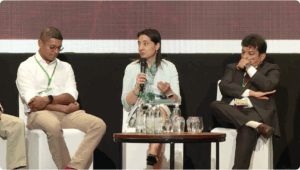
[23:00] Thank you, Dr. Gossman, for that lecture. Let's move on to the second presentation of this symposium. So we have Dr. Manilka Somanathilaka. Dr. Somanathilaka is the consultant to endocrinologist at the National Hospital of Sri Lanka.
[23:20] serves as the President of the Diabetes Association of Sri Lanka and President-Elect of the Sri Lanka Medical Association. He has previously led the Sri Lanka College of Endocrinologists as the President of the SLE and also the Sri Lanka Diabetes Federation and the South
[23:40] Asian Federation of Endocrine Society Suffice. He actively engages in clinical research and has been the principal investigator in international multicenter trials on diabetes therapeutics. And he has also contributed to national and regional guidelines.
[24:00] He has numerous publications in peer-reviewed journals and co-authored a chapter on endocrine emergencies in pregnancy for a Cambridge University Press textbook. His contributions were recognized with the President's Award for scientific research in 2020.
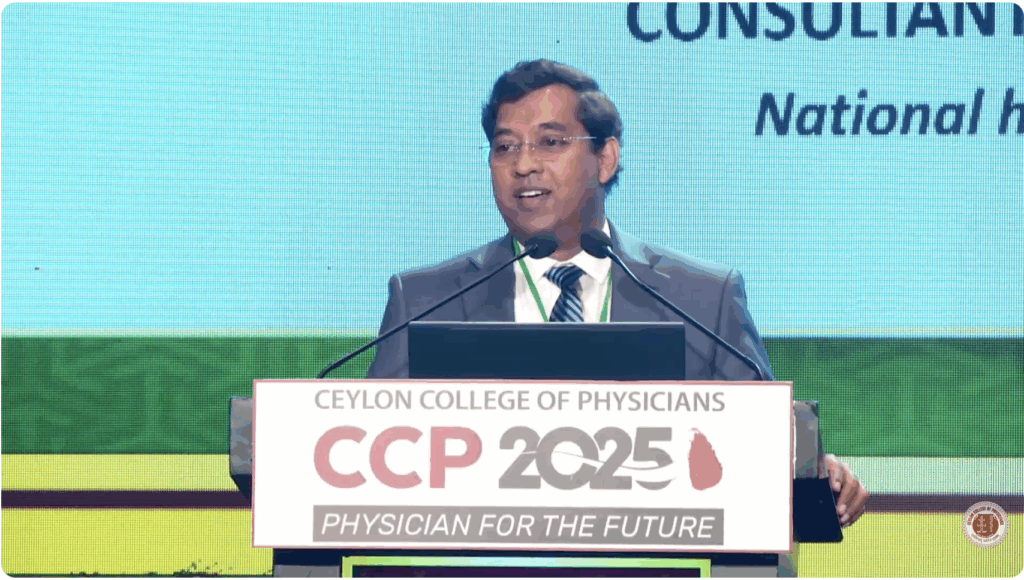
[24:20] His topic for today is will rapidly evolving therapies replace the traditional approach in diabetes? Over to you, Manilka. Thank you very much, Dimutu, for that very generous introduction and to prasad and the team.
[24:40] for the kind invitation to speak and a very interesting topic. So I must say that I am going to strike a balance between cutting-edge precision medicine and what can be done actually. This is mainly targeting the local audience. What we can do actually
[25:00] our busy clinics and the country. As you know, the numbers are staggering, 583 million and counting in the world of diabetics and every few seconds, diabetic is dying in the world with the complications. The number since Sri Lanka is about 20%.
[25:20] currently and the western province, especially the Colombo District, it goes over 25%. So we have a huge problem at hand. And our traditional, I have shown this slide many times, but I don't do this now, has been stages of type
[25:40] two diabetes. There has been at the time of diagnosis we were taught that 50% of the beta cells were destroyed and they continue to do so over time and then you will need eventually insulin. This was the teaching especially after the UKPDS and you know early 2000s.
[26:00] Then the concept of metabolic memory and the legacy effect, which was shown in the large trials, including the UKPDS, where if you control your blood sugars well, initial four to five years or initially, that good effect will spare your endothelium.
[26:20] and subsequent complications of diabetes will be less. And these were the landmark trials that we learned our diabetes with when we were trainees. And that showed clearly a decrease in the macrowascular complications, but not much effect on the cardiovascular morbidities.
[26:40] and the mortality and the overall mortality. But the follow-up studies, a longer period beyond the traditional four to five years, showed improvement in mortality as well. And based on these studies, both the ESDA and the ADA, since
[27:00] about 2012 for a long time, we were following this algorithm to manage our patients with diabetes, via lifestyle modification and then unless otherwise contraindicated, metformin came on top and second, third or the fourth line.
[27:20] would be any of the other groups that were available. Depending on the patient's characteristics and the preferences and the side effects and the tolerability, availability, you could choose any one of those medications, but we were considering their BMI.
[27:40] availability and the cost, especially in Sri Lanka, in the public sector. So we were following this. Basically it used to be metformin, sulfonylureas, insulin. And then when we got the cetagliptin, DPP4 inhibitors, that came in the middle as number three and when the SGLT2 inhibitors were released, they were released.
[28:00] inhibitors were coming, then we were, you know, having a fourth drug, gas well, sometimes before we went on to insulin. All the leading organizations in diabetes, they were recommending this for a long time. Then about in about 2009, I think, yeah, this different
[28:20] came out with this with our new understanding of the pathophysiology of type 2 diabetes. He came out with this very interesting concept of the ominous octet, where we were thinking it's type 2 diabetes as shown here before.
[28:40] We were thinking it's a reduced number of beta cells and decrease in the level of insulin or insulin resistance. A mixture of those two was the main problem with type 2 diabetes. But you could see plethora of other systems that are affected.
[29:00] which is a causing and causes type 2 diabetes, especially the decrease in protein effect and the increased glucose reabsorption. Then this led to the scientists rethinking their strategy and thinking about other medications that could target these pathophagia.
[29:20] physiological defect. That's where the interesting period came where what we called as the emerging or the novel medications that we have in our armamentarium to fight diabetes, you could see a plethora of new drugs starting with
[29:40] the DPP4 inhibitors quite old now, then the SGLT2 inhibitors, and the blockbusters, or I would say the sensational GLP1 receptor agonist, which has sort of changed the way a paradigm change in managing diabetes, cost permitting.
[30:00] at the moment and then by about 2020 all these drugs, the efficacy and safety in diabetes was proven and then came the cardiovascular effects, the renal effects and now coming on to weight loss and now the next stage will be going on to mastectomy.
[30:20] cell, looking at the fatty liver as well. So 2015 or 12 to 20 onwards plethora of drugs. Do you know how this came about? You remember the Nissan metanalyses, the Roxyglitosan saga, where they showed that there was increase in blood.
[30:40] is cardiovascular risk associated with rasiklitosan, that the drug was withdrawn, but later it was proven to be not that accurate. But the regulators came up with the regulation that any diabetes drug should be tested for is cardiovascular safety. That opened the door for a plethora of
[31:00] So many trials, multibillion-dollar trials, which came out, and the Emperor's Edge in November 2015, if I remember right, an EJM publication, created a big paradigm change, and the first
[31:20] time that the molecule was proven to show that there was a cardiovascular risk benefit, not just neutral or not just glycemic control, something beyond that in diabetes and it was a very interesting time for all the people treating diabetes. So it went on, then the cardiac
[31:40] cardiovascular risk, heart failure benefit, all that was proven. By about 2020, they were moving on to the renal risk reduction, kidney, dapase, EKD, all these studies, and then it was spilling over to non-diabetic patients as well.
[32:00] they were showing a beneficial effect. And then after 2020, it's the era of weight loss, all these medications causing weight loss even in non-diabetic. That's the era of the twin proteins and semiglutide having blockbuster trials showing
[32:20] significant weight loss and, you know, beneficial effect for our diabetics.
[32:40] calories intake, fatty liver and the concept of fatty pancreas. It was something new for everybody where he showed that even the fat in the pancreas, if you lose weight at least 15 kilos in overweight or obese people, you could reverse diabetes.
[33:00] first six years of your disease. So this also made a paradigm shift in change in how we treat diabetes which and he proved that with the direct study done in the community primary care level with very low calorie diet around 835 kilo calories for about
[33:20] four to five months, and he showed through the direct study that 46 percent of those patients went into remission in one year. It was 36, 37 percent. Even at the end of two years, they were in remission. So it's a huge achievement. So all these things sort of added a new
[33:40] thinking on the disease progression of type 2 diabetes compared to the one the slide I showed before. There is a new column where diabetes remission potential is there for the first five years and you can see the progression of the disease for the first time we were thinking about bi-directional.
[34:00] Otherwise, it was always going downhill. You are ending up with insulin. But here, more aggressive management with the newer agents, low-calorie diets, weight loss, and the newer agents, SGLT2 inhibitors and GLP receptor agonists, or even bariatric surgery, for that matter, could reverse this.
[34:20] strain in diabetes and we are looking at remission these days. So with these things in mind, the guidelines were also gradually changing. With the hype of all the new, I wouldn't say just hype, there are facts, but with the new medication, until about 2022, ADA, everybody
[34:40] everybody had Metformin, although in small print right on top, diet, lifestyle modification, Metformin. Then we were looking at categorizing or personalize management. Your high risk for cardiovascular disease, SGLT2, GLP1 receptor, renal immunization.
[35:00] impairment against GLT2, GLP1 receptors for weight loss, the drugs that will cause weight loss. So the cardiovascular benefit proven drugs at that time was the empaglifosin, liraglutide, and semaglutide, right? So they were preferred over the others and for just for
[35:20] glycemic control and if cost is an issue, still they recommended what we do. Metformin, sulfonylurea insulin also could be practiced and that is the one that I showed. The holistic approach or individualized management in type 2 diabetes and by about 2020.
[35:40] 23, 24 guidelines, metformin sort of fell out from the top there. That, I don't know the reason because this is for the whole world. Maybe not. The cost factor is a must. And my argument is why not let it be there? And this is just argument's sake.
[36:00] not in a very critical manner, but why not? You just keep it there. If there is no contraindication, no harm in combining metformin plus the other blockbuster medications if you could afford. But that test is not there in this guideline. And then the similar for cardiovascular risk reduction,
[36:20] heart failure, and then metformin, sulfonylureacin, and insulin is as you can see in a small, I don't see the cursor here, small corner here in the fourth, fifth column here, somewhere here. If glycemic control is needed, you could use them. But otherwise it's
[36:40] all SGLT2 inhibitors, GLP1 receptor agonist, and then metformin, sulfonylurea, or insulin that cross the message. Why is that? I mean, I don't criticize that decision. You could see the multi, you know, this GLP1 receptor
[37:00] receptors, ubiquitous and you can see the multiple good effects of the GLP1 receptor agonist which is shown here right from pancreas, your heart, brain, central control of metabolism, satiety, weight loss, decrease gastric emptying, all have. So this was addressing
[37:20] lots of those pathophysiological defects described by DiFranco is the ominous octet with you know the SGLT2 inhibitor was almost covering all the pathophysiological defects that was mentioned in the earlier slide. So that's where this blockbuster
[37:40] drugs came into existence, starting from exenatide, you all know, and then liraglutide came once daily, then came the once a week more convenient, more effective, liraglutide, semaglutide, and the others. Then of course more recently, again which created a sensation, turcipatide, twincolide.
[38:00] protein, GLP1 plus GIP agonist, which showed even better result. Glycemic control-wise, Hb1C, 1 percent or maybe even less than 1 percent this. But the key was the weight loss even for non-diabetic. You can see with the tersopatide
[38:20] 15 milligrams, the highest dose recommended. In about six months, people were losing 20 percent, those who were obese and overweight, were losing up to 20 percent of their body weight. So we were almost nearing into gastric banding or bariatric procedures where people could lose this disease.
[38:40] amount of weight. So this was a huge benefit, but cost is a factor. And then the older molecules, since we did the gluteus was combined with Lidar gluteate, which has a beneficial effect, ones could be taken daily in small doses. And of course we have once a week.
[39:00] In sievelines now, older molecules with a newer preparation are more convenient. So this is more lifestyle, convenient tissues and of course less hyperglycemia as well. So ladies and gentlemen, in the next 10 minutes or so, we have to discuss and see what you all think. Our traditional methods.
[39:20] Have they been knocked out now? So how are you going to manage in your clinic? So what I have shown in what is the percentage of patients that you can apply what I told the guidelines in your clinic, you have to think about it. So this traditional management of diet, exercise, oral medication, then injectables and insulin.
[39:40] whole truth. Our 60 year old drug, Metformin, there is also a herbal product because people love herbal products in this part of the world. And while these developments are going on, Metformin also had little studies which are not noticed. The UKPDS follow-up study showed cardiovascular disease is not a problem.
[40:00] good cardiovascular outcomes. Then they have a MPK pathway related studies, anti-cancer effect, PCOS in GDM, anti-aging trials are going on. So multiple effects, but they were not noticed. Please note the gut. Enhancement of the gut.
[40:20] in treating receptors by metformin and GLP1. So it activates the L cells in the intestine as well. So it has an effect through GLP1 as well. And of course, you can see the complex way metformins are working through the MPK.
[40:40] a kinase pathway, that's where it opened for the anti-cancer probability and all that. Studies are going on. But this is very interesting. Role of bile acids, it's supposed to inhibit the reabsorption of bile acid in metformin. So there is a local gut defect.
[41:00] where the GLP1 secretion is stimulated plus the effect on the gut microbiota. So we need larger studies. They were all published 2020 recently, COVID time, but we have missed them probably. And with the blockbuster studies coming out, nobody noticed these smaller studies. And even dialyptics.
[41:20] diabetes prevention, metformin is proven to be effective. Retinopathy, 24% reduction, 2020 study. Numbers are not huge, but nobody's investing in this. Studies in large studies, because these are almost like, often,
[41:40] molecules which has no commercial values, there is no people who do not invest on this. And of course, liver disease, CLD, is supposed to be safe. And the benefits I have listed there and the effect on lipids and the body weight, they are showing beneficial
[42:00] effects. Some of the other drugs don't show that LDL and triglycerides and even the cardiovascular mechanisms. And multiple pathways like the GLP-1 receptor
[42:20] I think through maybe that GLP1 effect, the metformin also is having beneficial effects, as shown in here. The UKPDS follow-up study showed that there is a decrease in the diabetes-related death and even myocardial infarction in the metformin group. And the metanidosis.
[42:40] analysis of—thank you. And this also showed cardio, but we need bigger trials to prove compared to the GLP1 receptor trials, we don't have that, you know, good evidence to
[43:00] say, but the indication is there in all these trials. And the renal, up to EGFR of 30, we can use metformin. But here the doses are given. If the EGFR is dropping, you would have to reduce the dose of metformin. But look at this. This was done in about
[43:20] 30,000 patients, meta-analysis on chronic kidney disease, congestive heart failure, and chronic liver disease patients. Altogether, 23% all caused mortality reduction while using metformin, provided that the idea for us was more than 30.
[43:40] sort of information is there out there, but we are not that aware. So the UKPDS 10-year follow-up showed the legacy effect of metformin and the metabolic memory in the metformin arm when they looked at, you know, after 10, 15 years. Even the 44-year follow-up of the UKPDS, I was there.
[44:00] that the ESD in Vienna or some in Germany, I think they presented this. 31% fewer heart attacks and 25% fewer deaths in the metformin group. So ladies and gentlemen, our, you know, traditional, all first-line therapy I think still holds. And it's the.
[44:20] leaves are still branching out and we can put it to good use. Along with the blockbuster new drugs, we should mix and match. What about sulfonylurea? More controversial. People might say don't use them at all, but how are we going to manage our diabetes is the fact.
[44:40] guideline recently done, 2023, done by our Indian colleagues, RSSDI in India. They recommend those who can't afford second-line therapy. There is no other this thing, but there is no cardiovascular risk. Many papers to say the gliculocyte MR, mind you.
[45:00] and lemiparite, not the old sulfonylureus where the sulfonylurea 2 receptor activates, gets activated in the heart and they are not good. The cardiovascular risk is slightly increased, but not the newer preparations and even beta-cell preservation, then there is
[45:20] less hypoglycemia effect is also almost similar to the other drugs when you have the newer preparations and with all this our college CCP and the College of Endocrinologists we did the primary care guidelines for the Ministry of Health. This is what we say because the
[45:40] has only metformin, cetaglide, sulfonylurea, cetagliptin, and insulin on board to treat our patients. So this is what we still recommend as of now for 99% or maybe about 95% of our patients. So, but technology is evolving. We are getting
[46:00] CGM, pumps, all that. AI-enabled diabetes technology is improving by leaps and bounds. We must take them on as and when possible and use them on your high risk, most useful patients who can afford, or at least get it through the.
[46:20] government. I would say so the traditional method of planning I think is still not out. I would propose a hybrid model. You categorize your patients and think about the highest risk who will benefit by the new agents.
[46:40] we will get SGLT2 inhibitors for a cheaper value in garment sector, then we can apply that second line metformin. But still I won't personally stop the metformin and put, I heard that NICE also might recommend SGLT2 as first-line therapy. But why not metformin in a person who's EJ?
[47:00] And we, Southeast Asians, the thin fat Indian hypothesis, the Y-Y hypothesis, for a given BMI, we have more fat in the body and insulin resistance. So this metformin will be really helpful to normalize that and the good effects of our
[47:20] new drugs. So I think we should get the best of both worlds and as and when looking at the risk category of your patient, apply this new knowledge, precision medicine and go on. But please do not discard our traditional method for at least for the near future.
[47:40] Hopefully we also can freely use the ELP1 receptor agonist some day. Then we can change our practice, but still I would continue metformin in our patients because we have to do a larger study, of course, to prove that. Thank you very much. Please, sir, please come and join us here.
[48:00] So we can allow questions at the end of the symposium. So let's move to the next talk by Dr. Omar Mustapha from UK. He's the registrar and global vice president, Royal College of Physicians, and he's a consultant in diabetes and general internal medicine, King's College Hospital.
[48:20] So he's going to talk to us on inpatient management of diabetes. So over to you Dr. Omer. Thank you very much. A quick show of hands. How many general physicians are here? Great. And how many diabetes?
[48:40] diabetes under chronology. And how many trainees? Brilliant. Okay, so I hope that I'll provide for all of you. So inpatient diabetes is a world that can move fast. We still have relatively traditional diabetes.
[49:00] tools, but there are high stakes, high risks, and it's really important to get it right for our patients there. So in the UK we have a group, the JBDS group, and we focus on inpatient diabetes, providing evidence-based
[49:20] guidelines, solutions, and interact with many, many bodies in the UK and abroad to provide that high quality evidence to help generalists as well as specialists provide high quality care for inpatient diabetes. And I'll give you some examples of some of
[49:40] the work that we've been doing and some of the plans. I have no declarations of interest for this talk. So our focus on perspectives, what's new, and some local experience from kings with relation to inpatient diabetes. So there is, if we look at,
[50:00] the population of patients in hospitals. In the UK, from our statistics, there's about 20% or at any point in time of the population of hospitals. There will be people with diabetes. Now those of course are our statistics.
[50:20] statistics in Sri Lanka that maybe those figures may be different. But certainly for example, during the COVID pandemic, that number certainly for kings that went up to about 40%. And on some of the wars it was 50% depending on the characteristics of the population. Obviously there was more use of corticosteroids
[50:40] for COVID. So that prevalence is very different. For example, in our renal ward, we have about 50% of patients have diabetes. And the solutions we provide, how we interact, are very different. And the vast majority of patients in hospital are there for non-diabetes reasons.
[51:00] Diabetes gets affected by all of those reasons for admissions, be it medical or surgical, for either elective or emergency. There are risks of harm during inpatient stays, either by high or low glucose. Emergent, there may be.
[51:20] presented as an emergency, for example, ketoacidosis or hyperosmolar, hyperglycemic states, potential for medication errors, stop-start medications, contraindications emerging during the admissions, foot ulcers, and prolonged length of stays. Now that will add to the
[51:40] profile to the outcomes for those patients, hence why it's really important to address those risk factors. Those are some of the examples. This is UK data of potential harms during hospital stays, all the way from medication errors to hospital
[52:00] acquired ulcerations, et cetera. And there's a lot of work going around globally to prevent those from happening. And the reason I ask this how many generalists here? Because a lot of those patients will be under your care. So we really need to see how we can collaborate to help prevent
[52:20] those harms. And if we look at the inpatient diabetes, I always look at it as a system. We are part of a big ecosystem within hospital. Now that will be influenced by what's coming through, so the acute take.
[52:40] factors influencing rates of admissions, whatever's happening in the community, infections, risk factors, needs for surgery. So those are the upstream pathways. And then as you get into the hospital, there are a number of factors that will help you provide better care. So staff.
[53:00] resources, the complexity of the tasks required to achieve the relevant outcomes, and then the downstream consequences of whatever happens in hospitals. So for example, safe discharges, safe transitions of care, for example, patients who may require for
[53:20] surgeries in our centers, how do you transition that care to the other institution amongst the various other issues? And system strengthening is really key here. So as specialists, we always like to think of whatever we think of as specialists, but it's important to look at this.
[53:40] as a wider system and be involved in developing solutions across the systems as building blocks. For example, I'll show you things around accreditation, how can we make sure that the provision of diabetes across the hospital is accredited, delivering high-end drugs.
[54:00] high quality systems using the latest evidence to do that. Also key to get real world data, publish those, learn, and then develop your systems according to your local needs. And never forget the, as physicians, we mustn't be working separately. There's always multi-systems.
[54:20] and spinary collaborations with nurses, dieticians, other healthcare professionals. And at the JBS, we are a multidisciplinary group. We've been going since 2008. Our aim is to improve diabetes care in inpatients, and we are supported by a number of organizations.
[54:40] organizations in the UK. Our two parents are Diabetes UK, which is the patient charity and the association of British clinical diabetologists, which is our professional body. And we work with a number of collaborators across the UK. And I went through that, but I'll start going through some of the
[55:00] some of the things in there. So accreditation is one of the things, one of the building blocks to help you establish how the quality of the system. So DECAP is a program that we've launched recently and goes through a number of steps and accredit services by level one and level two.
[55:20] and it's emerging in terms of uptake across the UK. It's hosted by the RCP and the accreditation unit because they have big experience accrediting other services, for example, endoscopy and other specialty accreditation programs.
[55:40] Guidelines, so the most recent, we've had our, for example, DKA and HHS guidelines been there for a long time. Globally there are a number of others, for example, the ADA have their own. But most recently in 2023, this is published in 24,
[56:00] The JBDS, the American Association of Diabetes Association, and ESD and other organizations got together and we produced a consensus statement on how to manage diabetes emergencies, eliminating higher variations but guided by the evidence.
[56:20] and the provisions and those. This is all freely downloadable and all our guidelines are freely downloadable. So you can download this and adapt it to your needs. There are slight differences that take into account different practices and the ambition really is to increase that collaboration with other organizations globally.
[56:40] I recognize that there are a number of organizations around the world not in that guidance, but you have to start somewhere. For example, I'll just briefly go through. Of course, DK and HHS are two different ends of the spectrum in terms of emergencies, and one with
[57:00] acidosis and hyperglycemia, and on the other end of the spectrum, extreme dehydration and extreme hyperglycemia and hyperneutromia. The patient characteristics are very different, and I'll show you some data later on from our experience locally about social determinants of health. We are seeing
[57:20] increasing cohorts, certainly in the UK and certainly where I practice in South London with the diversity patients we see, there's a lot of mixed ketosis and HHS, and they carry higher risk. The features of DK and HHS are present in both.
[57:40] In the document, you will see how this is managed. The criteria, there's been slight changes in the criteria with a global consensus, particularly around thresholds for management, particularly the bicarb and the use of blood ketones and versus urine ketones in terms of-
[58:00] of accuracy, but also around the use of fixed rates of insulin, the fluid rates, and escalation of care. So those are the diagnostic criteria. And as I said, there is a category, about one third of those patients will have mixed features.
[58:20] There's a new, in the consensus document also, there is the, DKA has always been viewed as a threshold where you either have it or you don't, but in the new document, in the consensus document, there is a recognition that there are variations, there is three.
[58:40] thresholds in terms of mild, moderate, and severe DKA, recognizing that in some parts, including in the United States, that may need to be managed slightly differently depending on availability of healthcare resources. So that is useful to see for you in there.
[59:00] The cornerstones of hyperglycemic emergencies remain pretty much the same, but of course how we use them is the key. And they are fluids, intravenous insulin, and potassium replacement. So for example, in ketosis, diabetic ketosis, early insulin, early fluid use, and paying attention to blood pressure.
[59:20] into potassium remains the cornerstone. In HHS, without ketosis, it's a pure HHS. It's about getting the fluid in, fluid in, fluid in, as I say, and then think about the insulin, when the osmolality and the sodium are heading in the right direction. In some cases where there's ketosis, insulin treatment for HHS.
[59:40] is early. Recognizing hypokalemia before it starts is really key because of the cardiovascular risks of arrest in those patients. There's also special recognition in the consensus about patients who are frail, elderly, on SGLT2 inhibitors.
[01:00:00] Those, let's say, pregnant women, for example, who develop ketosis in emergency, there are provisions to escalate care very early. And we are seeing cases of particularly ketosis in end-stag renal disease, and there are some provisions about managing fluid, because that's quite a tricky area to manage the fluid.
[01:00:20] And in COVID, we've seen a lot of ketosis in HHS. So there is documentation about that as well. I'll skip that. The next thing which is emerging and the literature is literally, as you write something, that you'll see a lot more papers. It's about the use of technology in an inpatient diabetes.
[01:00:40] Of course, because of the heterogeneity of the groups of patients we see and the rapid change in vital signs and the rapidity of how the case evolves in terms of complexity and recovery, some of the technology
[01:01:00] we use in outpatients, for example, CGM, flash glucose monitoring, may not be suitable to be used in inpatients. There are some studies suggesting that some could be used, but our current consensus, the new document is coming out. This is from 23, and we have a new document.
[01:01:20] document which will hopefully be in line with the latest updates. But so far we continue to advocate use of capillary glucose monitoring and cautious use of technology in patients because of the accuracies and how you can use the results.
[01:01:40] I'll show you a couple of diagrams in there. There are some, particularly for the non-specialists, for example, in the emergency department or in acute medicine, how to recognize various devices, pumps. I mean, even for someone who does diabetes day in, day out, the technology works so fast that you really have to keep up to date. So in here, there are
[01:02:00] will be this diagram about how to recognize various types of pumps, hybrid closed loop, what is a CGM, and how to safely keep them, store them, whilst patients are recovering. It's also important to think about targets and how we treat our patients. Our JBDS target was adapted widely in the-
[01:02:20] UK is to keep glucoses in between 6 and 10 millimoles per liter in the Frel and the elderly is between 6 and 12 based on the available evidence and of course that may change depending on how the evidence evolves. There is a concept of looming hypoglycemia, so glucoses to
[01:02:40] between four and six, so that's about 80 to 120 milligrams per deciliter, where a signal needs to go in all of our heads when we see our patients just to make sure that they are not heading down into hypoglycemia and whether there is any changes to therapies needed whilst they're in hospital.
[01:03:00] For diabetes tech in hospitals, for example, if patients are on a pump and they're able to manage that, if patients, for example, are on pumps or hyperclosed loop and they are unable to manage this, then they must be transferred onto a safe, subcutaneous, or intravenous regime until they are able to recover.
[01:03:20] The, in here also there are situations where you always check finger pricks versus using a CGM, and they center around how predictable, how reliable the information available to you, and how stable the patients are.
[01:03:40] And again, there's a lot in there and you can download that freely from diabetic medicine. New therapies, so as my colleague mentioned earlier about GLP1 and SGLT2, of course, those patients maybe end up coming into hospital.
[01:04:00] particularly around those who may undergo surgery. We've been looking at this and we're developing consensus statements and review of the evidence. There is, so GLP ones for example, associated with delayed gastrocnemting and some published reports about rigor.
[01:04:20] and pulmonary aspiration with associated risks perioperatively, but there's also, with SGLT2, there's a risk of eoglycemic DKA. So how do you manage those? There are slight differences depending on which guidelines you read, but from a UK perspective,
[01:04:40] effective. This is the most recent consensus statement across diabetes and anesthesia and pharmacy. And we looked at the various regimes and we adopted a pragmatic approach to individualized assessment for those patients.
[01:05:00] patients, looking at various factors, patient-specific and a seizure-specific and procedure-specific to prevent harm when these patients are coming in. For example, if someone is on a GLP1 weekly injection, do you stop it? Do you not? Do you continue it? If you stop it, how do you manage the hyperglycemia?
[01:05:20] euglycemia in SGLT2s? What's the safest duration to stop without causing euglycemic DKA? Currently that is one day. There are some guidelines which mention three days. So I highly encourage you to read those. So we advocate prevention of harm, review of the technique and do not stop.
[01:05:40] but the SGLT1 but liaison is easier because some of the patients may need ultrasounds to look at gastric content, for example. In SGLT tube inhibitors, we advocate shared care planning and admission of SGLT tube inhibitors the day before their surgery and restarting early when the patients have recovered from the surgery.
[01:06:00] with adequate monitoring of ketones. One of the issues, of course, is there's never enough staff in any hospital wherever you are in the world. So how do you get the optimal staffing to provide safe patient care? This is UK-specific, but we've generated a calculator to help
[01:06:20] hospitals advocate for safe staffing across their hospital sites. We're working on a metabolic and bariatric surgery guidelines. How do you know how do specialists and non-specialists navigate the preparation for surgery, the liver shrink.
[01:06:40] diet, the immediate perioperative phase, and the peristoperative phase. These are imminently coming out and you should be able to download that very soon. The other aspects of course is we are not, as I said earlier, we are not an island. We work collaboratively across different inpatient locations.
[01:07:00] Certainly when I work in South London, we have the biggest psychiatry hospital just across the world to us from at King's, the Morsley. So nationally we've developed a consensus statement guidelines in 2017. We are working actively on the next one, on how to manage someone for example, in an inpatient psychiatry.
[01:07:20] reward receiving new antipsychotics and well we know that some of them will cause hyperglycemia and metabolic side effects. Similarly some of those patients will end up in hospital or an acute trust for example with psychosis and sepsis, depression and eating disorder, and
[01:07:40] various other comorbidities. So it will have practical evidence-based recommendations to manage those. We're working on a number of visuals. I'm a fan of visuals. So we will have those published on our website very soon. And it's the one-page.
[01:08:00] each summary to help you use it wherever you are. The other thing, of course, were the increasing use of electronic health records. There are variations in standards and how to support clinicians wherever there you are to provide that safe care, and we're working on.
[01:08:20] standards and community of practice to support them, support colleagues, develop those systems and collaborate across the system. So we have just updating our insulin, the intravenous insulin guidelines. The last one was in 2014 so there's a major update coming up.
[01:08:40] controlling hypoglycemia with the use of steroids. The perioperative management of surgical patients is coming up very soon. I've just seen the drafts whilst on the plane. And we're working collaboratively across the channel with our colleagues in Europe on a pan-European group of interesting patients.
[01:09:00] inpatient diabetes to increase the collaboration. I'll move closely to some of the work being done locally at King's. So this is work being led by one of Sri Lankan trainees, Vithya and Parlan. She's been with us at King's working on inpatient diabetes and
[01:09:20] and other transformation projects. One of her projects is around transformation of how diabetes is managed in the emergency department and how to make sure that patients get faster care, faster and safer care, but also safer discharge.
[01:09:40] And there has been, we developed a new protocol and implemented that, working with our colleagues in the ED. But one of the things we recently looked at is the link to a wider determinants of health. So, wider determinants of health or what used to be known as social determinants of health is in
[01:10:00] increasingly being recognized as an important factor to consider. For example, all patients may come in with the same ketoacidosis and you manage that, but how they ended up in the emergency department is a very different story. So we're trying to understand, so for example, where we are, our national data, we are...
[01:10:20] likely an outflyer to the national data on length of stay, for example, and how do we get them out of hospital. So one of the things we looked at, and that's what Vicky has led the project on, are there any contributions from that wider determinants of health in
[01:10:40] those cohorts presenting with DKA. And what we found is the use of our standardized protocols work because all of the patients get the time to resolution, but we noticed a difference in the quantiles of deprivation. So in England, based on postcodes,
[01:11:00] If you put a postcode in, you will get a number to say whether that postcode is linked to deprivation. They are in high deprivation area or a low deprivation area, and there's a grading from one to five. And we noticed, based on our data, a whole year data, of patients admitted with ketoacidosis, there is a difference.
[01:11:20] between those who come in from low deprivation index compared to those who come in from high deprivation index. And the time to get them out of hospital because of the variety of complications and the issues tried to solve at home is very different. There's also a difference in the length of stay.
[01:11:40] we're taking that on to collaborate to try and get those numbers down and look at length of stay and time to from resolution of ketoacidosis down and try and universally reduce that number to provide better care for our patients. So in conclusion, the evidence keeps evolving.
[01:12:00] I think we always must work as an ecosystem and a community of practice, share the learning and evolve, and there's always challenges and so we must keep going. And we're here to build an ecosystem rather than an ecosystem. And I must thank all our colleagues who work with us.
[01:12:20] in inpatient diabetes locally, nationally, to provide for our patients in and outside of hospital. Thank you.
[01:12:40] Dr. Harsha Sathistra and Dr. Chandi Maiidampi. Please join us for the discussion. If there are questions from the audience, please.
[01:13:00] ask because the speakers will be very happy to answer.
[01:13:20] out and the plants are still growing. So I would like to ask Chandima about the UK perspective, what is the place of metformin in the midst of the new guidelines?
[01:13:40] Medformin is still the first line in UK guidelines, but if you have a high risk for cardiovascular disease, you're going to start SGLT receptor inhibitors after starting medformin. If there's no contract indication, still medformin is the first line.
[01:14:00] I mentioned because I just got an email maybe two weeks back, NISIS reconsidering that and they wanted probably the fellows to comment. They want to make SGLT2 inhibitors first line and whether we agree or not, they
[01:14:20] asking the fellows of the colleges for comments. So that's why you made it. Okay, we have a question.
[01:14:40] that SGLP1 agonists are very expensive. Can we use SGLT2 inhibitors? Non-diabetic obese patients should reduce weight. Tricky question. The guidelines and the studies and approval, if, you know, regulatory authority approval, no, right?
[01:15:00] So even pre-diabetes, there might be a case. So sometimes people use metformin also. Certain section of the population, small percentage, even with 1,000 grams of metformin, they lose 5% of their body weight. Although the guidelines will say it comes under the weight.
[01:15:20] neutral category and severely in serine resistance and pre-diabetic. I'm not talking about evidence base here could be used but not approved for a non-diabetic operation. Thank you. A question from you, Manilka, in the maze of different
[01:15:40] treatments that we have now. What has become of oral DPP for inhibitors because the cost is also not cheap. So in the Sri Lankan context how do we fit that in?
[01:16:00] I am in the strong opinion, I think we can get together with the CECP and recommend to the government if the price is comparable and the DPP4 inhibitors are, I would say, relatively more expensive for their usefulness. I would vote or push for SGLT2 inhibitors in our government.
[01:16:20] one sector, well-proven, cardiac benefit, renal, everything is there, weight, all that, we should push for SELT to inhibit us instead of DPP4 inhibitors if we don't have a choice. If we have a choice, we can keep both, but people will use obviously the SELT to inhibit.
[01:16:40] a better first with their metformin or even without their metformin. Just before asking or giving my this opinion on these other things, so now that's the first you asked this question. Actually yesterday we had this networking meeting on diabetes, the WayForward meeting and we kind of
[01:17:00] came into an agreement to write a strong letter to the ministry with the SLSIM, the CCP, and the Endocrinology College and perhaps involved in the College of Cardiology and Nephrology, strongly suggesting that they should include generic SCLT2 individuals.
[01:17:20] inhibitors to the hospitals, at least to the hospitals where there are specialists. So it might be cost-saving as Monocosis because we know when you use SEST GLT to inhibitors, lot of patients if they are on insulin, you can cut down on the insulin dose not the type 1, type 2 and also I have seen in practice you can
[01:17:40] on many other medications, including antihypertension, diuretics and so on. It might be cost savings and perhaps with some research also that might be a good thing. Just not really asking a question, but also commenting particularly on the US.
[01:18:00] about this continuation of SGLT inhibitors in patient, particularly who are acutely sick and also come into, particularly I think a lot of our physicians are here who are managing patients in very busy, crowded wards, where patients might not be able to maintain their.
[01:18:20] general hygiene, sanitation, hydration. So I think this is something where we have to be a bit cognizant on, you know, perhaps my practice is generally to keep them off about three days prior to, you know, getting into surgeries and acutely ill-calored.
[01:18:40] coming in at least for short period to stop until their failure. All right. Any thoughts? No, absolutely. I mean, the default position for anyone coming in acutely ill and osteoalteism inhibitors, they must stop it at the point of admission and really start it probably at the point of
[01:19:00] discharge.
[01:19:20] that, can I start that? Our current position even nationally is do it at the point of discharge. Although the evidence continues to grow, the safety is first and it's really key. For surgery, yeah, stop it beforehand. Again, it's negligible in terms of benefits.
[01:19:40] Can I ask a quick question from Yuma? Just last week or 10 days back, we had a euglycemic keto acidosis in our. So you didn't mention I was waiting for some guidelines, new thinking on your, this thing, what are your thoughts? We don't see many. I have managed maybe this year about four patients.
[01:20:00] the sugar was 150, bicarb was 6 or 7, maybe there was infection as well, and pH was 7.25. Any thoughts on your guidelines? Can you comment to enlighten us? Of course, I should expand it, but it follows
[01:20:20] the same algorithm but the introduction of glucose is earlier. So it's at the point, because of the its euglycemic, the glucose is within the let's say the reference range. So it starts with fixed rate insulin, fluid, but with glucose, whatever percentage you have available.
[01:20:40] within the guidelines to start early because in the standard DKA protocol the glucose is started when the rates are below 300 milligrams per decidita. And that's really important to recognize. The key in your glycemic DKA is actually recognizing it because people may be measuring the glucose.
[01:21:00] It's how do you prompt the measurement of ketosis? Depending on your facilities, I think looking at the patient lists, early awareness is really key because it can be. And we've seen cases where they end up going to intensive care and because it's not right.
[01:21:20] recognize.
[01:21:40] Any thought of improving the lifestyle intensity and weight loss in our patients? Of course, I didn't have time. I mean, one and two. I showed a slide. Whatever the blockbuster medication, you have expensive diet and exercise. And lifestyle modification is the key.
[01:22:00] any of the trials leader or sustain whatever you have it the basic lifestyle modifications were done when they were given the medication and tested so that's the baseline you can't move away from this what I was pushing for is like lifestyle plus metformin and whatever else that you
[01:22:20] So want to give was my case I was trying to prove, but lifestyle, yeah, no question about it. It's even all the guidelines on top. It's on top. I mean, in our Sri Lankan perspective, most of the people, although we said they are not there, yeah. We have to get over the.
[01:22:40] Sorry, high carb diet tendencies, we have to get over that. That might need a bit of a psychological aspect also should be looked into. But economics, after the COVID, our some of our patients just can't afford the amount of vegetables
[01:23:00] and the proteins that we recommend them to take. They have to eat something. They get their calories mainly from protein, carbs, which is the cheapest source of energy that is available. So that is also an issue. So improving our economic status, I would help in
[01:23:20] correct way, I would say, in this matter.
[01:23:40] have some I have already done always done and you know some of them just sit amazingly they gain to start high force and they they get a huge insight to the you know the importance of lifestyle and the particularly diet in our setting carbs. I think a quick question to you Mona very
[01:24:00] interesting lecture. So two minutes, one minute, one last. Yeah. Do you all, you know, lipodistrophes and monogenic diabetes, do you all have a free access to routine testing of all those genes? Or how does it go? Or you select the patient? So you know, we do, we usually
[01:24:20] them to a genetic counselor and then there is some cost in the US associated with genetic testing so they sort of talk to the genetic counselor about whether this is covered. But you do really think about whether it's worth it to send the patient there because it can be very costly and sometimes that cost does come back to the patient.
[01:24:40] available but can be expensive. So we do try to be judicious still in testing those patients. Yeah.
[01:25:00] to present the certificates.
[01:25:20] Bye.
[01:25:40] Thank you.
[01:26:00] Thank you.